

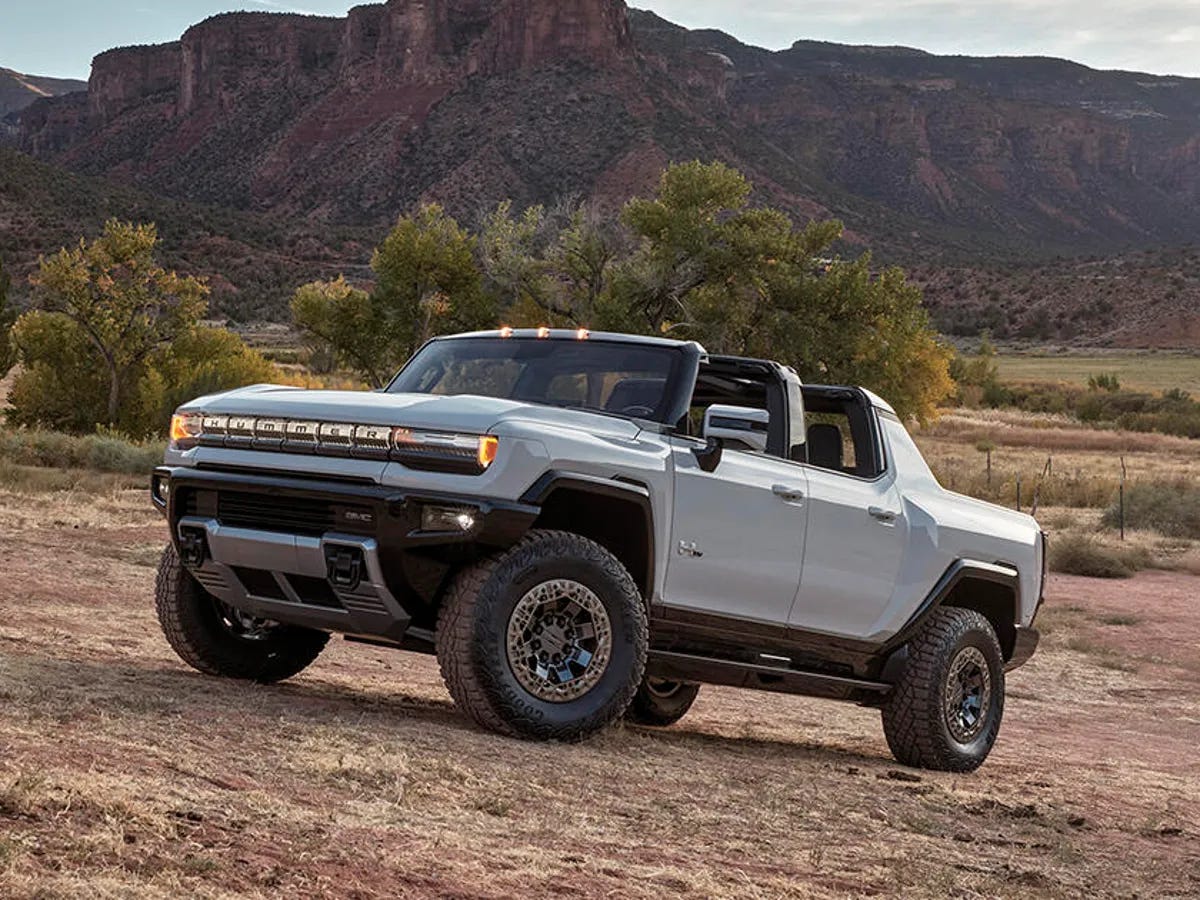
Much like every other issue, the transition from combustion engines to an all-electric fleet of new vehicles has become increasingly politicized. To climate activists, the electrification project is a no-brainer, but evidence suggests that the broader public remains unconvinced the benefits outweigh the potential drawbacks.
A 2023 Gallup poll revealed that 41% of U.S. adults remain opposed to the possibility of owning an all-electric car in the future. Of their concerns, driving range on a single charge was one of the most frequently cited objections to all-electric vehicles.
Improvements in battery technology have made it possible for the average EV range of travel in the U.S. to reach nearly 300 miles on a single charge. Although, skeptics will point out that it is much less hassle to have someone bring you a gallon of gasoline if you run out, rather than wait for an external power source or tow truck to take you to the nearest charging station.
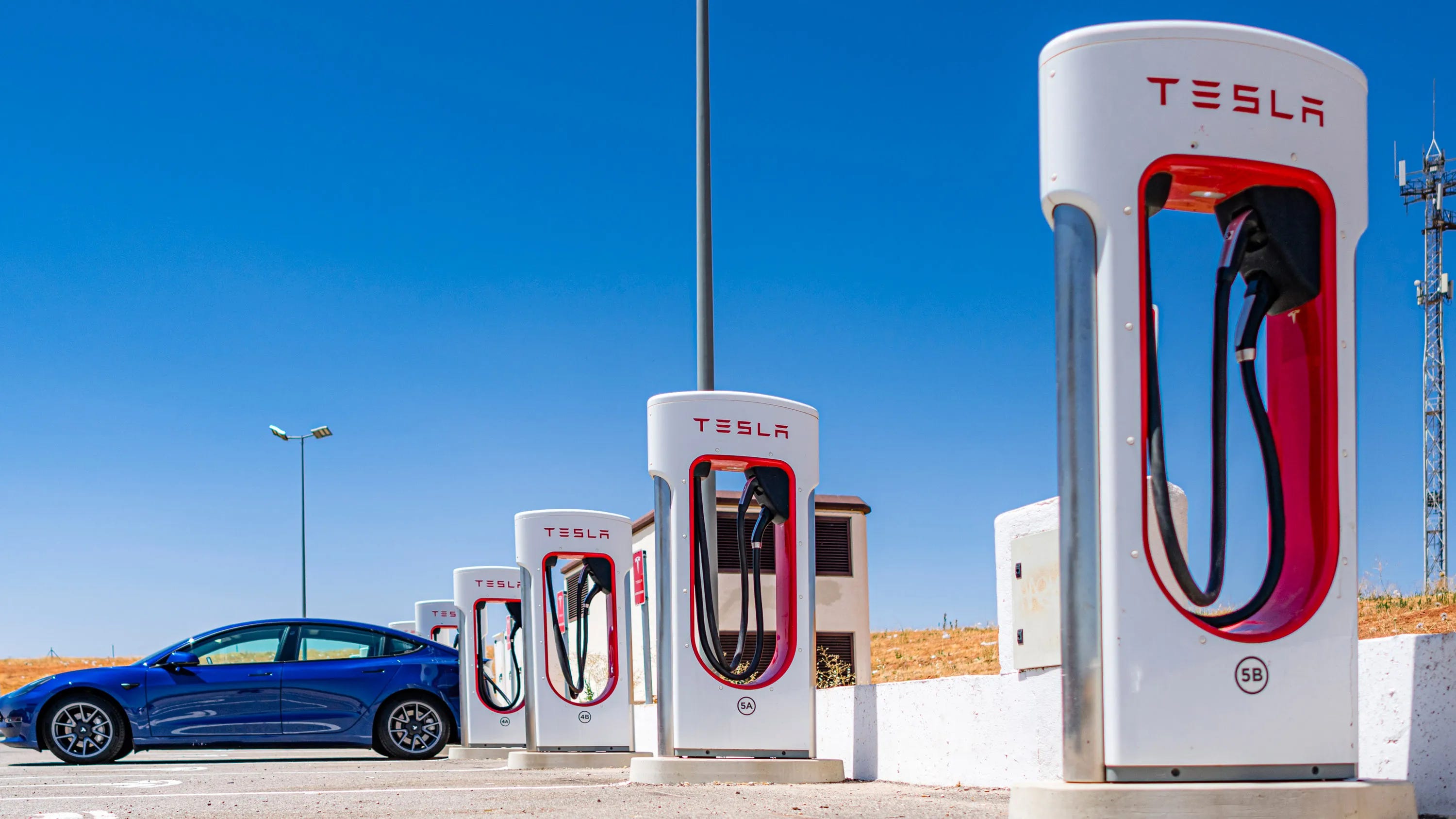
To mitigate this issue, the Bipartisan Infrastructure Law passed by Congress invests $7.5 Billion in building high-speed chargers to be spaced every 50 miles along America’s major roads, freeways, and interstates. Knowing that charging stations are strategically spaced for convenience and peace of mind, should boost drivers confidence as infrastructure continues to improve.
Tesla has been the largest benefactor of the federal grant program that is subsidizing the construction of new charging infrastructure. Tesla already has the largest network of more than 15,000 supercharging stations across the country, and has proven itself to be an industry leader in this area. Tesla’s exclusive network of charging stations has been a major factor for consumers in deciding to purchase a Tesla over another EV.
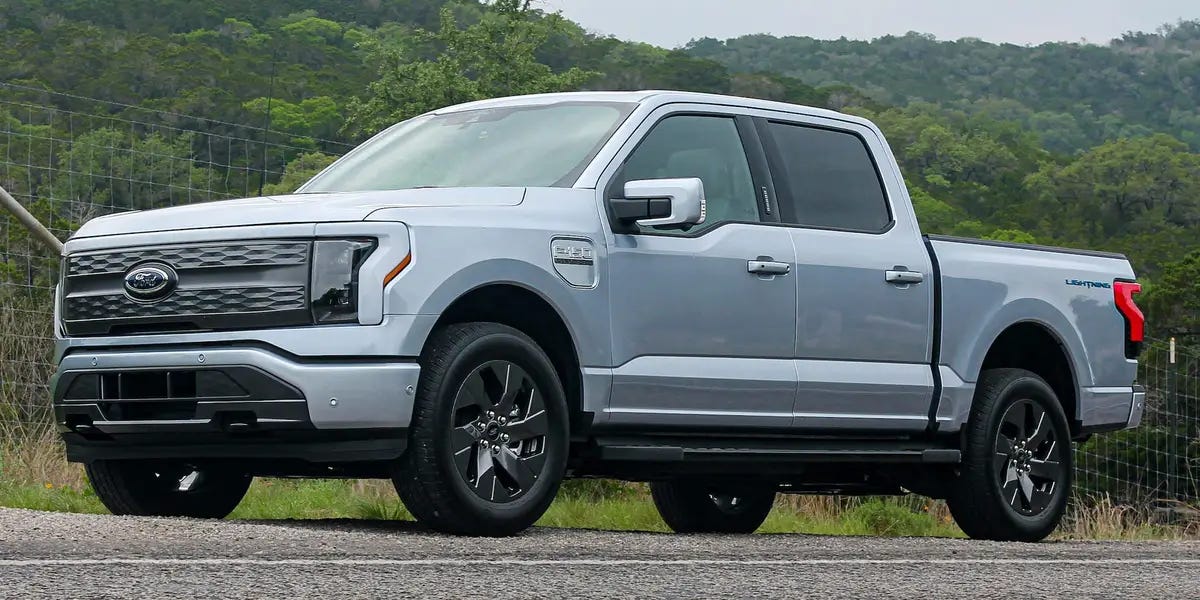
Therefore, the recently announced partnership with Ford, that allows owners of a Mach-E or F-150 Lightning to charge at Tesla charging stations will undoubtedly give Ford a significant advantage with consumers over other U.S. electric vehicle manufacturers, as it competes for greater market share in this area.
The primary argument we hear in support of the all-electric vehicle transformation is: EV’s will don’t emit the harmful gasses that contribute to the warming of global temperatures, and this will reduce mitigate the threat posed by climate change.

However, according to a 2023 Gallup Poll, six in ten U.S. adults believe that electric cars will help climate change “only a little” or “not at all”.
In my opinion, information around this issue has not been communicated clearly enough with the public, and disinformation has filled the information deficit.
Americans have real concerns that our energy grid is incapable of meeting the increased demand, and want to understand their plan to produce sufficient electricity in a reliable and clean manner.
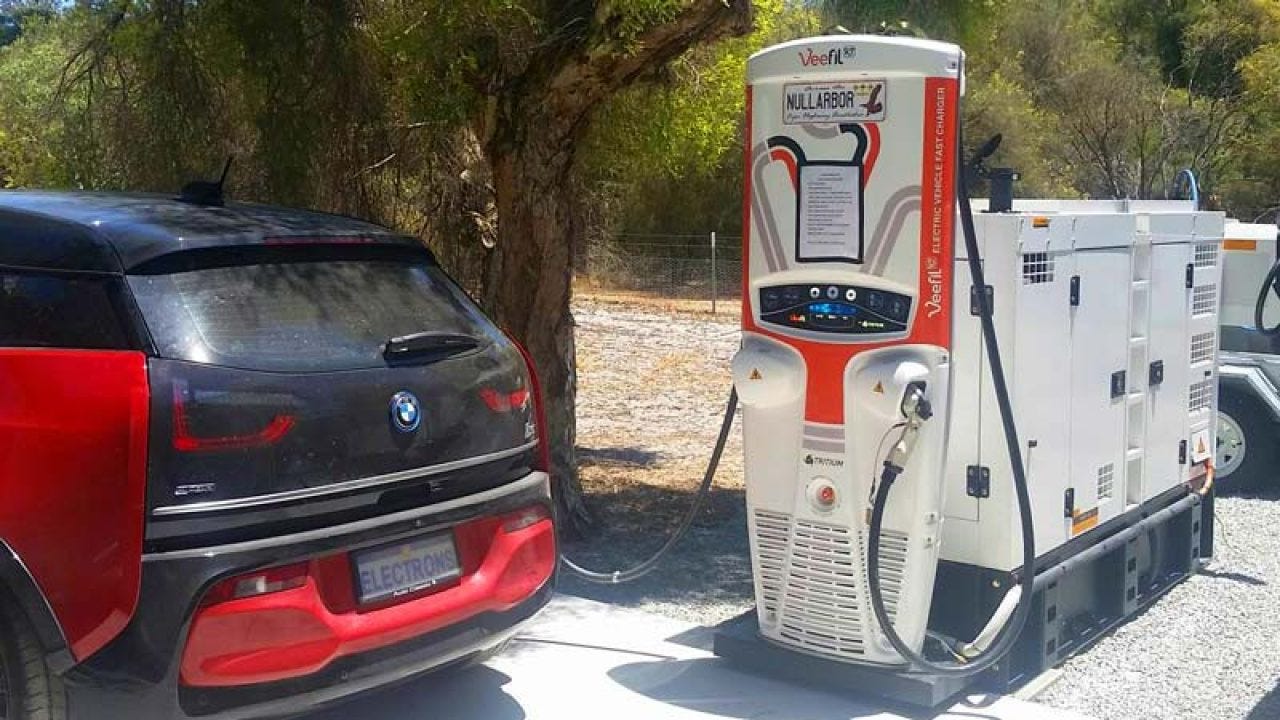
Memes and altered images can be found all over the internet that purport to show diesel generators and other “dirty” sources of energy being used to charge electric vehicles.
Our nation’s leaders have failed to make a clear and concise case for EV’s beyond the long term benefits to the climate. This has intensified the resentment from many Americans that remain unconvinced of the need and are uninformed of the many personal benefits.
These are some of the reasons I most look forward to owning an electric vehicle:
Saves You Money
Lower cost to “fill your tank.”
No oil changes.
Less energy wasted using regenerative braking (brakes need to be replaced significantly less frequently).
Conserves power while sitting in a drive thru or stationary position.
Improves Health
Pedestrians, bicyclists, animals, and other drivers can breathe easier with cleaner air and fewer air pollutants.
Reduced engine and road noise.
Saves You Time
Can charge your vehicle while out shopping, eating, running errands, or on a home charger without going out of your way to a gas station.
No taking your car to get an oil change.
Fewer parts to break and easier repairs.
Full Charge: The Economics of Building a National EV Charging Network