

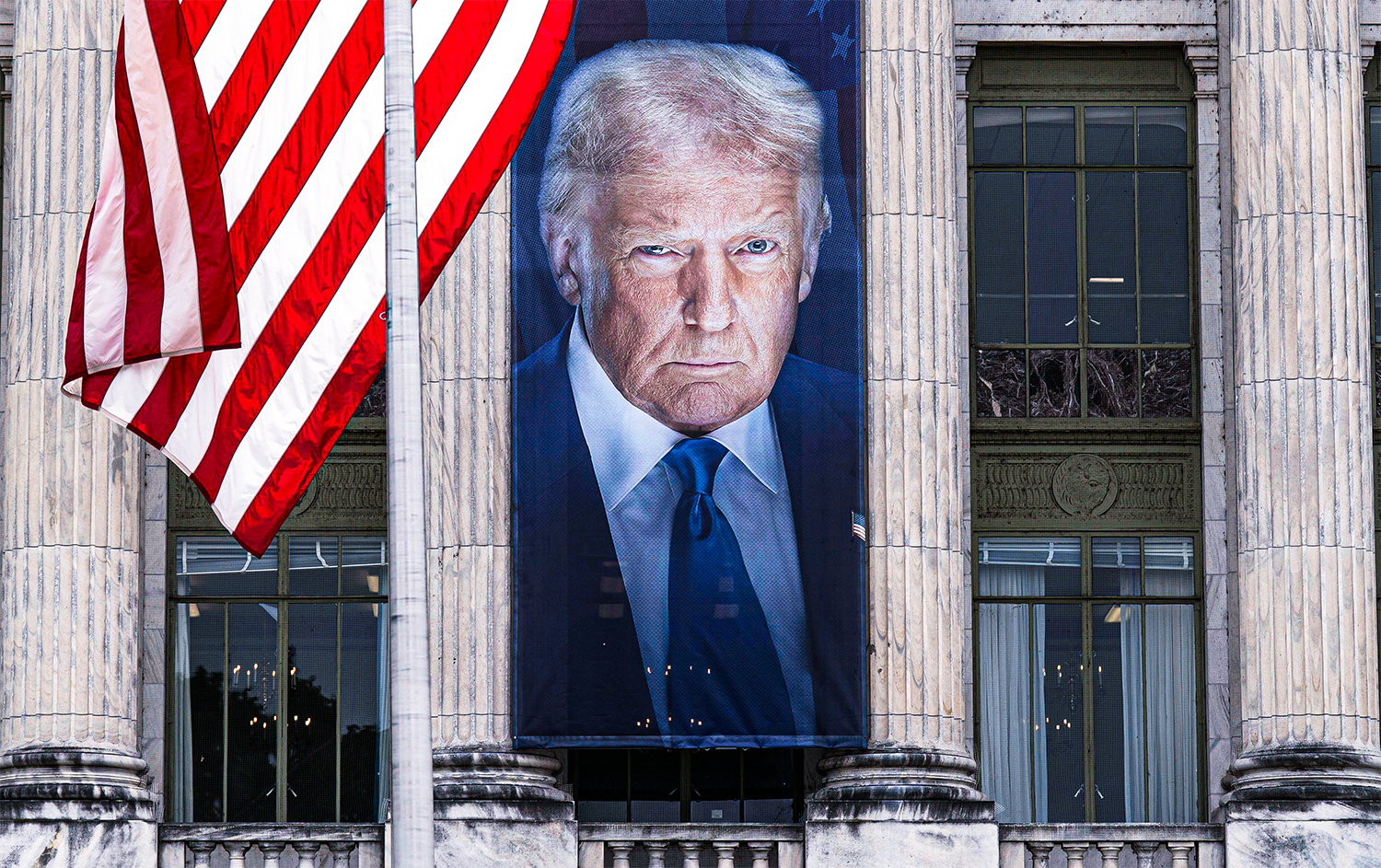
Every week in Trump’s America feels like a new test of how much corruption, chaos, and cruelty our democracy can endure. And it’s no accident. Trump and his allies want us to feel hopeless—and to look away.
But it’s critical that we pay attention and stay informed. We cannot allow blatant corruption to become normalized. This week, in particular, has been a masterclass in dismantling accountability, bending institutions, and eroding democratic norms.
From Pam Bondi’s despicable performance at the Senate Judiciary Committee Oversight Hearing, to Trump attorney Lindsay Halligan’s sham ‘indictment’ of New York Attorney General Letitia James, to Defense Secretary Pete Hegseth’s jaw‑dropping announcement of a Qatari air base on U.S. soil—just months after Trump accepted a $400 million luxury jumbo jet through the Department of Defense—these events are not random.
These are symptoms of a much deeper rot: a Congress that no longer checks executive power, a Republican Party that exists solely to protect Trump, and a democracy that’s being hollowed out from within.
Pam Bondi’s Despicable Display
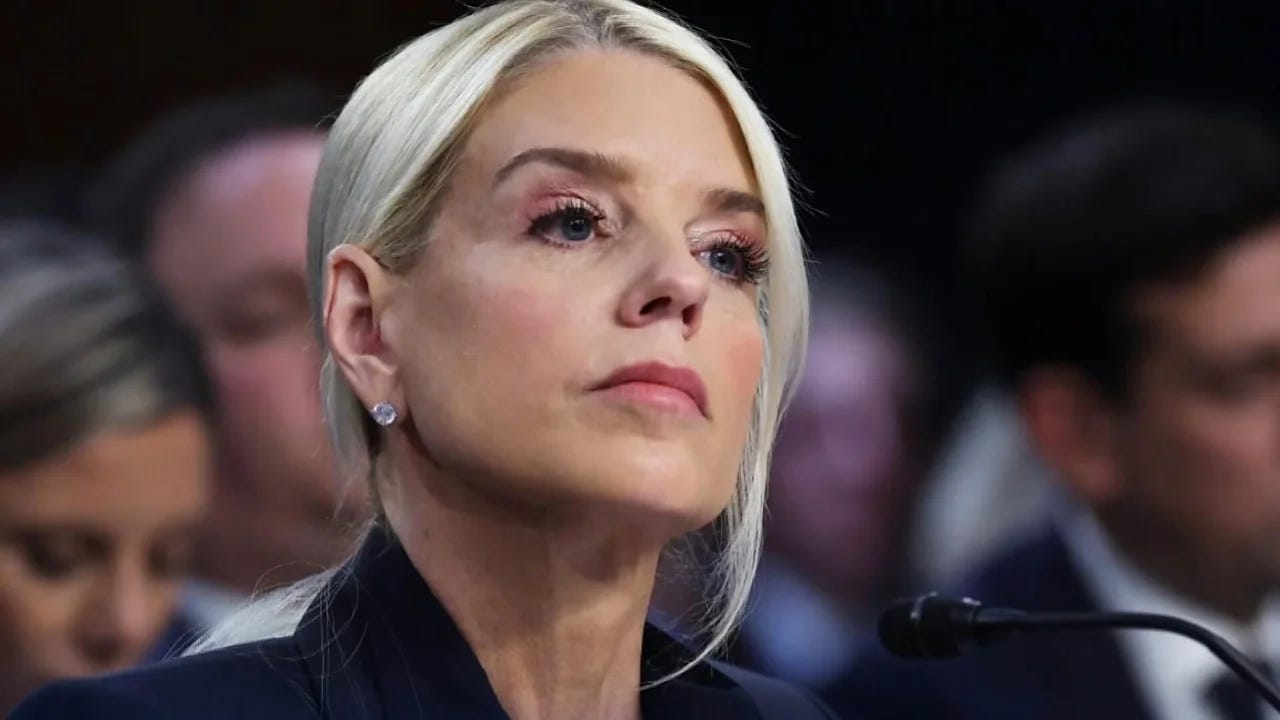
The spectacle at Tuesday’s Senate Judiciary Committee hearing was unlike anything we’ve seen before. Attorney General Pam Bondi appeared before the committee for the first time since her confirmation, earlier this year. This time, she arrived prepared with pre-scripted attacks, ready to deflect questions from Democratic members that she preferred not to answer.
Instead of responding to pointed questions about Trump’s influence over the Department of Justice—or about high-stakes probes into figures like Comey, Epstein, or Tom Homan—Bondi repeatedly deflected or refused to engage. She interrupted senators, attacked their motives, and turned the hearing into a showdown of insults rather than an exercise in lawful oversight.
When pressed by Ranking Member Sen. Dick Durbin whether Trump consulted her regarding troop deployments, she snapped “I wish you loved Chicago as much as you hate President Trump.”
To which Durbin replied, “I’ve been on this committee for more than twenty years—that’s the kind of testimony we’ve come to expect from this administration. A simple question about the legal rationale for deploying National Guard troops becomes grounds for a personal attack.”
The exchange summed up the state of Trump’s Washington: substance replaced by spectacle, accountability drowned out by performative outrage. Bondi wasn’t there to provide answers—she was there to send a message. Her loyalty isn’t to the law, but to the man who put her there. And in this new era of Trumpism, that loyalty has become the only qualification that matters.
P.S. If you need a moment of comic relief, check out the SNL take on the hearing below.
Trump’s Payback for Letitia James
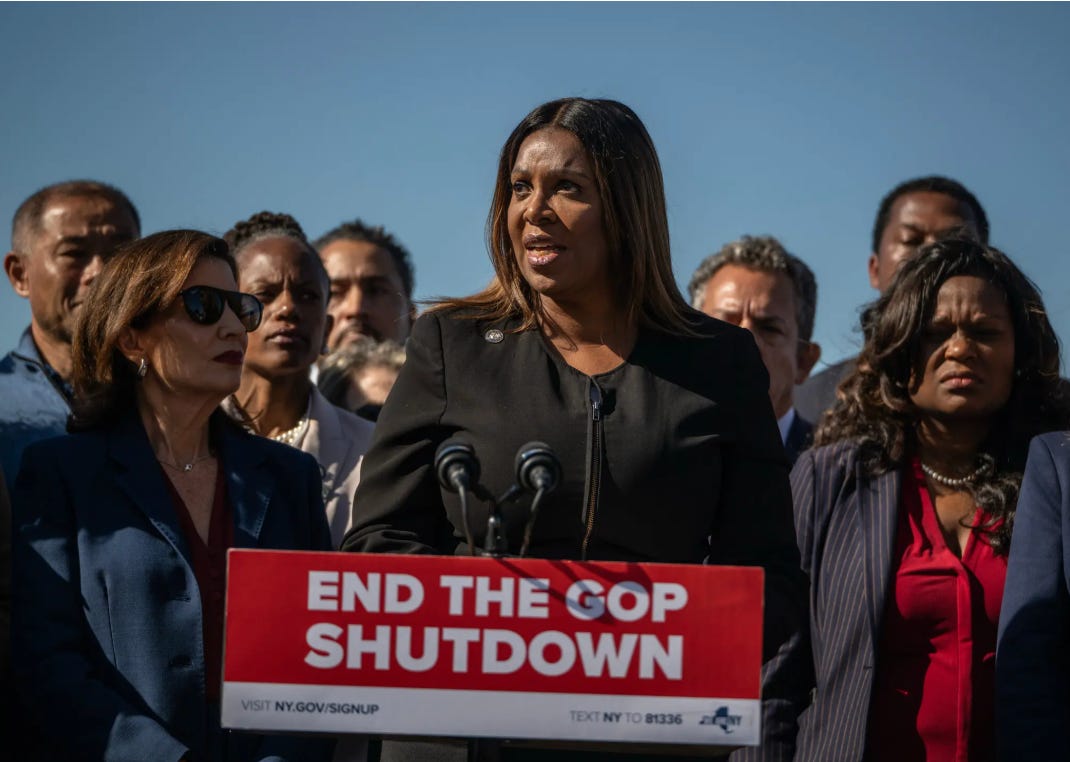
In Trump’s latest act of retribution, on Thursday, his handpicked U.S. Attorney for the Eastern District of Virginia, Lindsey Halligan, has filed a federal indictment against New York Attorney General Letitia James, charging her with mortgage fraud and making false statements to a financial institution.
The core allegation centers on a 2020 loan application, in which James allegedly claimed a Virginia property would be used as a “secondary residence” (and not rented) to secure favorable loan terms—then allegedly treated it as an investment/rental property, thereby saving less than $19,000 over the life of the mortgage.
Halligan herself presented the case directly to a grand jury—after career DOJ prosecutors reportedly resisted, citing serious doubts about the strength of the evidence and its blatantly political nature.
In short: James is being accused of a technical infraction, while Trump often skirted far larger, systemic frauds without commensurate accountability.
This is not a principled pursuit of justice. It’s an act of vengeance. Trump publicly called for the prosecution of Letitia James. Halligan, a former real estate attorney for Trump, with no prosecutorial experience, seems to be acting less as an independent prosecutor and more as Trump’s executioner.
Trump is turning the legal system into a weapon, and sending a clear message: investigate me, and this is what happens to you.
A Quatari Air Base in Idaho
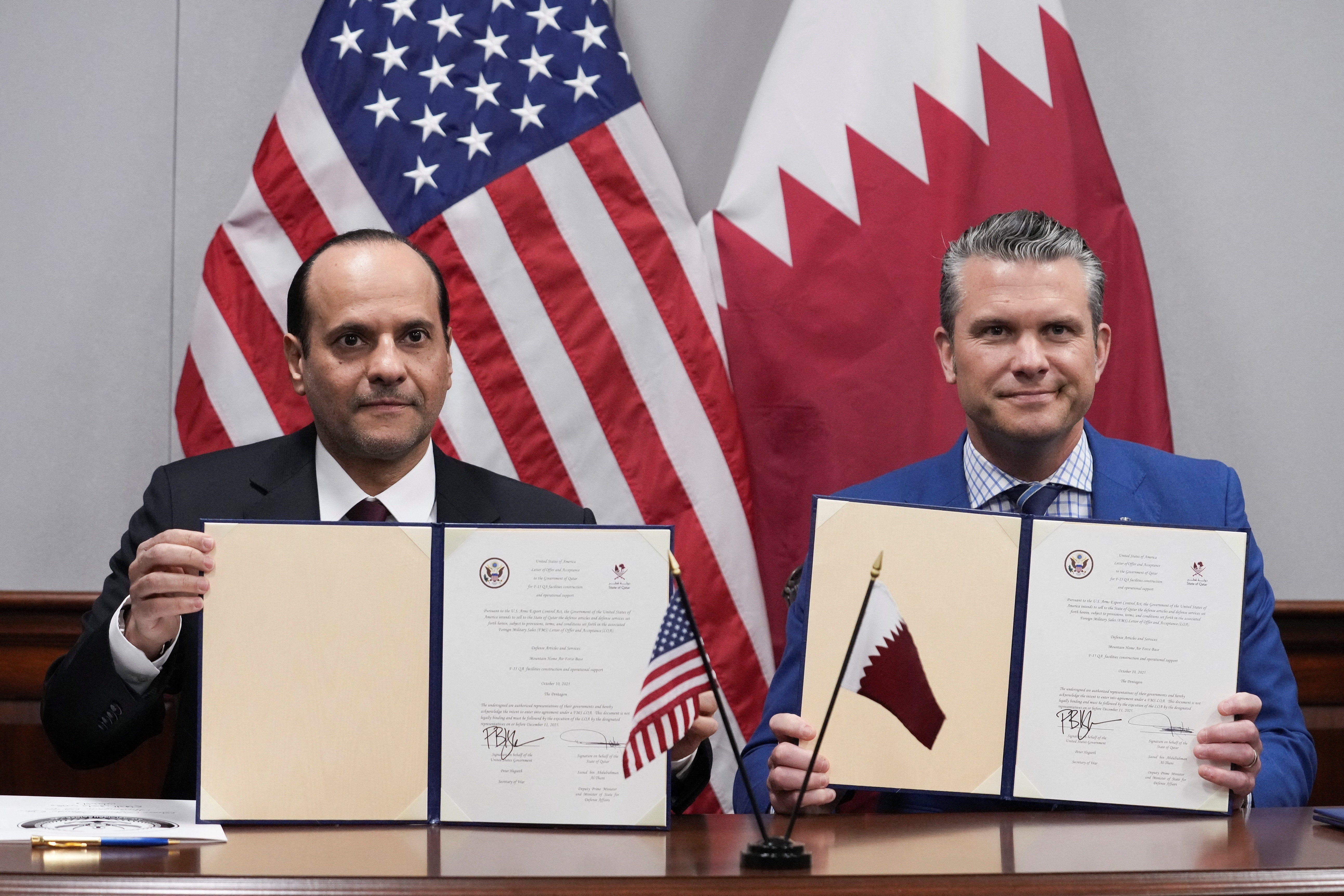
On Friday, Defense Secretary Pete Hegseth announced that Qatar will build a facility within Mountain Home Air Force Base in Idaho. The Qatari Emiri Air Force is expected to station F-15s and train alongside U.S. forces. The announcement sparked immediate backlash, even from pro‑Trump voices, over the optics of a “foreign military presence” on American soil.
The timing is striking. This comes just months after Qatar gifted Trump a luxury Boeing 747 through the Pentagon, intended for presidential use—a move already steeped in controversy over potential foreign emoluments violations.
To Recap: Qatar provides Trump a luxury jet, and a few months later, the U.S. sanctions a military installation for Qatar in Idaho.
This is emblematic of how the administration has governed: through deals, loyalty, and quid‑pro‑quo relationships. Under this model, foreign states that offer Trump prestige, profit, or influence are rewarded with favorable treatment. The personal and the ideological are indistinguishable from geopolitics.
Donald Trump does not govern for the public good, but out of personal favor. He is selling access to America’s institutions, security, and sovereignty to whoever offers him financial enrichment. That is not leadership—it is profiteering at the expense of the republic.
Qatar may want to hold the shovels—the blowback is bipartisan and fierce. Prominent conservatives, including some who have long defended his foreign policy, are voicing alarm. They argue that allowing a foreign military foothold on U.S. soil—especially in the shadow of such a glaring financial entanglement—crosses a line that threatens American sovereignty. Their warnings underscore just how profoundly this decision has shaken faith across the political spectrum.
Democrats in Congress must do more to voice their concerns and introduce legislation to block the president from moving forward with this plan.
Why Hasn’t Trump Been Arrested or Removed?
I see a variation of this question echo across social media quite often: Why hasn’t Trump been held accountable, or removed from office? The answer is simpler than many realize: because he systematically purged the Republican Party of anyone willing or capable of challenging him.
From the earliest days of his presidency, Trump made clear that loyalty to him personally mattered more than policy, principle, or law. Senators and representatives who dared to vote for his impeachment, criticize his executive orders, or oppose his agenda were quickly replaced or politically marginalized.
Figures like Mitt Romney, Liz Cheney, and Adam Kinzinger endured relentless attacks; but many others resigned, didn’t run for reelection, or were unseated in primary elections. The result is a Republican Party where dissent is not tolerated and institutional norms are ignored.
Today, the GOP functions less as a traditional political party and more as a personality cult. Its members routinely rubber-stamp whatever Trump wants—whether that’s shielding him from investigations, supporting questionable foreign deals, or enabling policy that serves his personal enrichment.
Our republic depends on leaders of good faith willing to act with integrity. Put simply, Trump has not been arrested or removed because the very institutions meant to hold him accountable have been hollowed out from within. Until voters restore those checks, his power remains unchecked—and our democracy remains at risk.
Making It to the Midterms
It’s easy to feel hopeless when each headline seems worse than the last.
But democracy still offers a remedy: elections. The power to restore accountability, enforce checks and balances, and push back against Trump’s unchecked influence lies squarely in voters’ hands.
If you’re wondering how you can act, one of the most direct ways is to support Democratic candidates in key races—especially those challenging incumbent senators in critical states or running in highly competitive districts. Even a small donation matters. Giving $5 or $10 isn’t only about the dollar amount itself; it’s also about showing broad grassroots support. Campaigns with large numbers of individual donors can demonstrate momentum, gain media attention, and leverage small contributions into real organizing power on the ground.
I’m supporting these candidates because I admire their leadership and share their values—and because their races could determine the balance of power in Congress.
Beyond donating, every action counts: volunteer, share information, talk to friends and family, and vote in every race you can. The midterm elections aren’t just about policy disagreements—this is about whether the next Congress can act as a genuine check on Trump and his allies, or whether his personality cult continues unchallenged.