

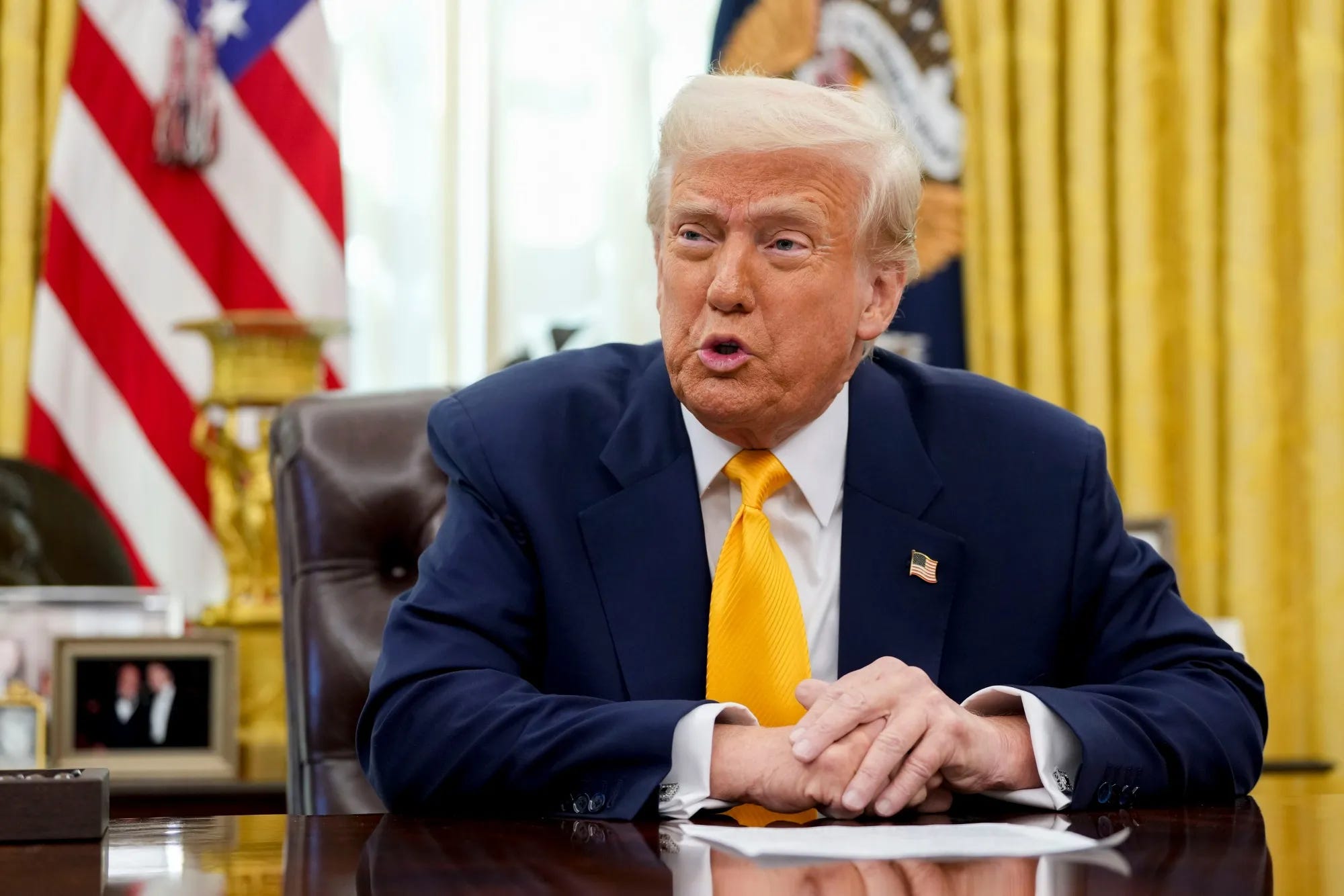
The U.S. economy faces a serious risk of recession—not due to external forces, but because of reckless policies enacted by Donald Trump. Rising costs, job losses, and market instability are hitting American households hard, as Trump’s trade war and budget cuts create economic uncertainty. His tariff war disrupts global trade, his erratic economic strategy fuels uncertainty, and his drastic government spending cuts weaken demand—together, these factors create a perfect storm of instability that threatens economic growth. As former Treasury Secretary and Harvard economist Larry Summers put it, “This is a self-inflicted wound on the American economy.”
This newsletter breaks down how Trump’s policies weaken economic growth, increase volatility, and deter investment.
The Tariff War: A Recipe for Disaster
Tariffs, when applied strategically, can be an effective tool. However, Trump’s trade wars with China, Canada, and Mexico disrupt global supply chains, raise costs for American consumers and businesses, and trigger retaliatory measures.
Inflation & Higher Interest Rates → Tariffs increase the price of imported goods, fueling inflation. In response, the Federal Reserve may raise interest rates, making borrowing more expensive and slowing economic growth.
Retaliatory Tariffs → Trading partners hit back with their own tariffs, hurting U.S. exports, particularly in agriculture and manufacturing.
Stock Market Volatility → Investor uncertainty over trade policy has contributed significantly to market declines amid increased instability.
Lack of Coherent Strategy
Markets rely on predictability, yet Trump’s policies have been erratic, reactionary, and inconsistent. His administration shifted positions frequently, leaving businesses and investors uncertain about long-term economic conditions.
Investor Hesitation → Unpredictable policy swings reduce confidence in the U.S. as a stable investment environment, decreasing foreign capital inflows.
Business Paralysis → Without clear trade and regulatory guidelines, companies delay investment, expansion, and hiring, stalling economic momentum.
Government Spending Cuts and Layoffs
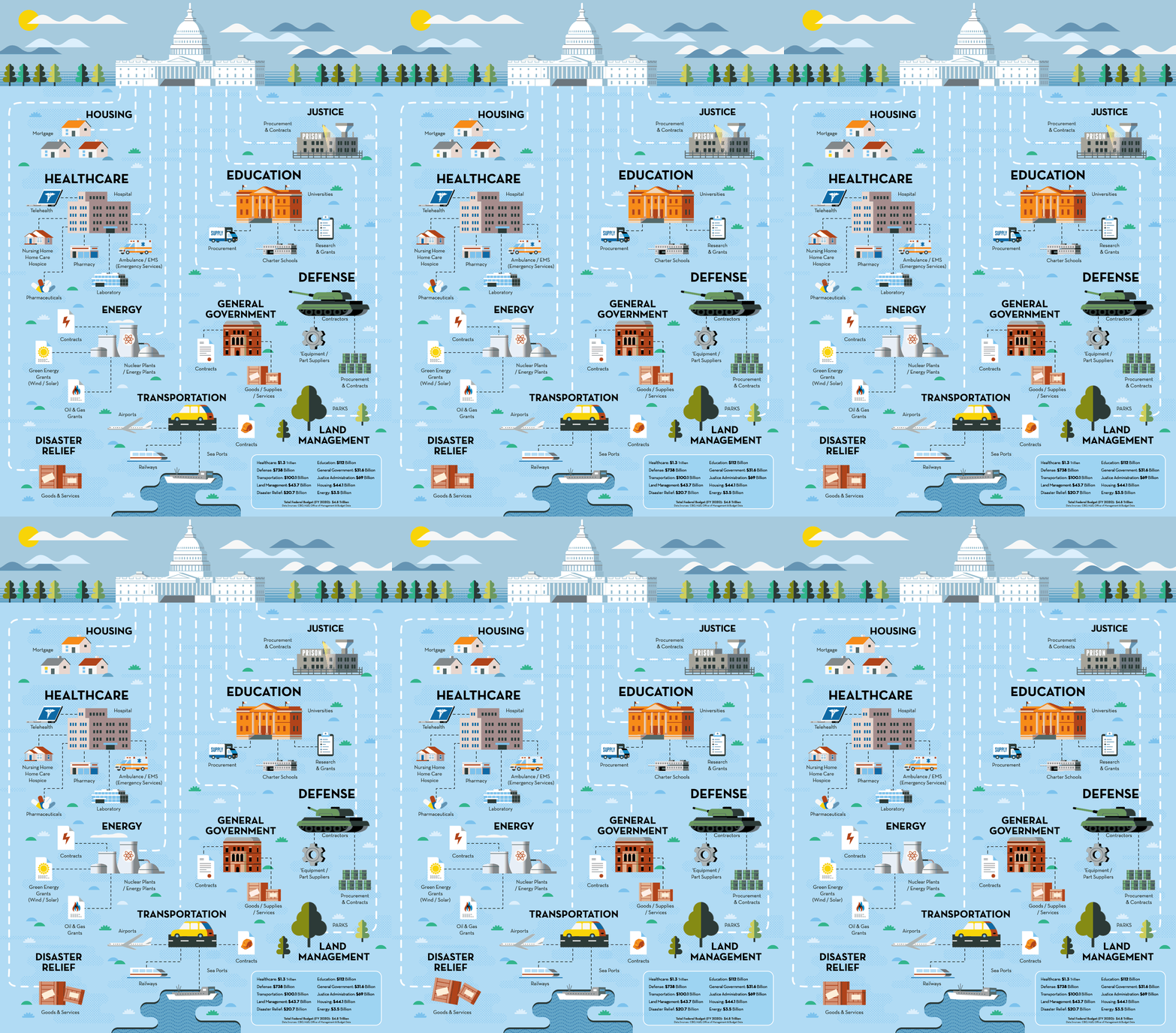
Beyond market instability, Trump’s approach to federal spending further weakens the economy. Trump’s push to slash government spending and eliminate thousands of federal jobs will further contract the economy.
Lower Aggregate Demand → Government spending drives a significant portion of economic activity. Cutting it during economic uncertainty reduces demand, slowing growth.
Job Losses → Federal layoffs ripple through the private sector, reducing consumer spending and weakening local economies economic growth.
The U.S. economy depends on stability, strategic leadership, and investment confidence to thrive. However, Trump's erratic policies undermine these foundations, replacing certainty with chaos. If the country is to avoid another economic downturn, it must prioritize policies that foster growth, predictability, and long-term stability.
The warning signs are clear: a trade war without strategy, economic instability, and reckless budget cuts create a high-risk environment for recession.