

In today's interconnected and technologically driven world, semiconductors play a vital role in virtually every aspect of our lives. These tiny chips are the brains behind our smartphones, the intelligence in our cars, and the core of our computers. They power our internet of things (IoT) devices, enable advanced medical diagnostics, and drive the innovations that keep our economies competitive and our societies thriving. The importance of semiconductors cannot be overstated; without them, modern life as we know it would come to a standstill.
Taiwan: The Heart of Semiconductor Manufacturing
At the heart of global semiconductor manufacturing lies Taiwan, a small island nation that is home to some of the world's most advanced semiconductor fabrication plants, or fabs. Companies like Taiwan Semiconductor Manufacturing Company (TSMC) lead the industry, producing chips that are more advanced and efficient than those made anywhere else in the world. TSMC alone controls over half of the global semiconductor market, and its cutting-edge technology is essential for everything from consumer electronics to sophisticated military systems.
Economic Opportunities and Vulnerabilities
The concentration of semiconductor manufacturing in Taiwan presents both incredible economic opportunities and significant vulnerabilities. On one hand, Taiwan's dominance in this field provides it with considerable economic clout and a steady flow of high-tech jobs. On the other hand, it creates a bottleneck in the global supply chain that can have far-reaching consequences if disrupted. The COVID-19 pandemic has already exposed vulnerabilities in global supply chains, and a disruption in semiconductor production could exacerbate these issues, leading to shortages of consumer electronics, delays in technological advancements, and significant economic losses worldwide.
Geopolitical Implications
The geopolitical implications of Taiwan's semiconductor industry are profound. The island's strategic importance is underscored by the increasing tensions between China and the United States, both of which recognize the critical role that semiconductors play in national security and economic stability.
China's Ambitions: China has long viewed Taiwan as a breakaway province and has made clear its intentions to bring the island under its control. Taiwan's semiconductor industry adds a layer of complexity to this ambition. Control over Taiwan's semiconductor capabilities would give China unparalleled influence over global technology supply chains and enhance its own technological and military prowess.
U.S. Strategic Interests: The United States, aware of the strategic importance of semiconductors, has taken steps to bolster its own semiconductor manufacturing capabilities and reduce dependency on foreign suppliers. Initiatives like the CHIPS and Science Act of 2022 aim to revitalize domestic semiconductor production and research. However, the U.S. remains heavily reliant on Taiwanese semiconductors, making the stability of Taiwan a critical national interest.
Short Term: Mitigating Global Supply Chain Risks
To mitigate the risks associated with the concentration of semiconductor manufacturing in Taiwan, it is essential to ensure diverse and secure semiconductor supply chains. This can be achieved through:
Diversification of manufacturing locations: Encouraging the development of semiconductor manufacturing capabilities in other regions, such as the United States, Europe, and Southeast Asia, can help reduce dependence on Taiwan and mitigate the risks associated with a single point of failure.
Investing in research and development: Governments and industry leaders must invest in research and development to advance semiconductor technology and reduce reliance on Taiwanese semiconductors.
International cooperation: Collaboration between governments, industry leaders, and international stakeholders is crucial for ensuring the stability and resilience of the semiconductor industry.
Fortifying Taiwan's Defenses: A Critical Imperative
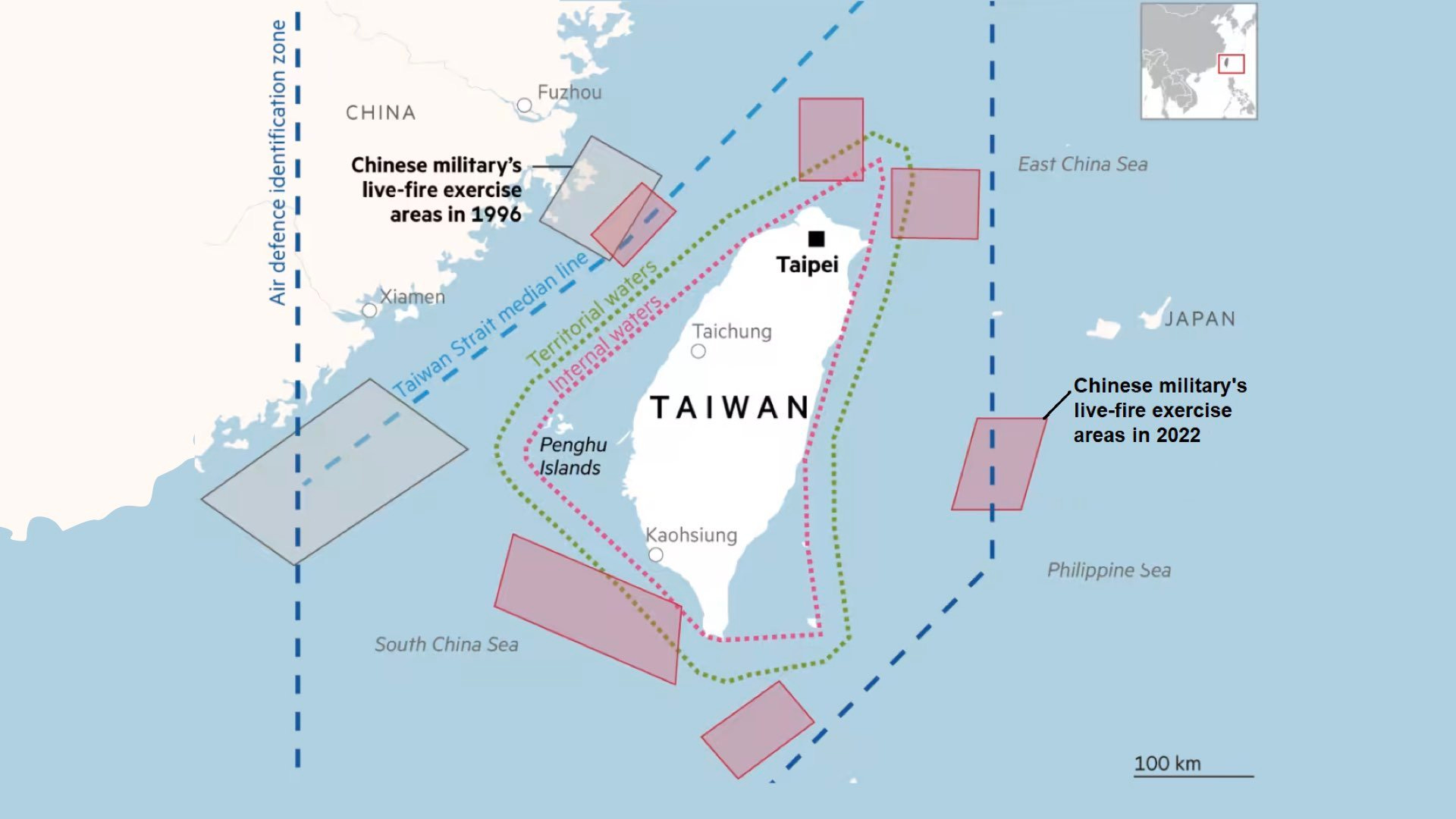
Taiwan's strategic significance in the global semiconductor market underscores the urgent need to bolster its defenses. An unchecked Chinese invasion or blockade could severely disrupt international supply chains, leading to a scarcity of crucial components, delays in technological progress, and substantial economic repercussions worldwide. Such an event would also escalate geopolitical tensions, potentially drawing the United States, Japan, and other regional powers into a broader conflict, endangering global stability and security. Moreover, if China were to seize control of Taiwan's semiconductor industry, it could leverage this to challenge the technological supremacy of the United States and other Western nations.
To counter these threats, it is vital to adopt a strategy of "deterrence by denial," aimed at convincing China that any aggressive actions toward Taiwan would be futile and costly. This military strategy should focus on denying China any quick or easy gains from military action, ensuring that the costs of such aggression vastly outweigh potential benefits. Strengthening Taiwan's military capabilities is central to this approach:
Military Modernization: The United States, along with its allies, should equip Taiwan with advanced military hardware and technologies. This includes anti-ship missiles, air defense systems, and cyber defense tools, to enhance its self-defense capabilities and make any potential military engagement prohibitively expensive for China.
Diplomatic Support: International recognition of Taiwan's sovereignty and political legitimacy is crucial. Strong diplomatic backing can help deter aggression by signaling global resolve to support Taiwan in the event of hostilities.
Economic Cooperation: By deepening economic ties through trade agreements and investments in critical sectors like semiconductors, Western nations can enhance Taiwan's economic resilience against coercive tactics from China.
Implementing these strategies will significantly strengthen Taiwan's position and contribute to regional and global stability by making clear the high costs of potential aggression.
The pivotal role of semiconductors in powering technological innovation and driving economic growth is unequivocal. As the cornerstone of modern technological infrastructure, their importance is expected to escalate even further. Situated at the heart of global semiconductor manufacturing, Taiwan not only holds significant opportunities but also faces considerable risks, underlining the profound geopolitical stakes tied to its stability.
Given this reality, it is imperative for policymakers, industry leaders, and international partners to fully acknowledge the strategic significance of the semiconductor industry. Collaborative efforts must be intensified to safeguard the stability and resilience of these critical supply chains. Ensuring robust, diverse, and secure sources for semiconductor production is fundamental to sustaining technological advancement and economic vitality worldwide, particularly as geopolitical and economic landscapes continue to shift.
By fortifying Taiwan's defenses and enhancing international cooperation, we can mitigate risks and foster a secure environment that supports the continued growth and innovation of the semiconductor industry—a key to navigating the challenges of a rapidly evolving global economy.