

In the age of social media, where quick takes and polarizing headlines dominate our newsfeeds, the capacity to understand and appreciate nuance in complex issues has significantly diminished. This phenomenon is particularly troubling when it comes to our criminal justice and political systems, where the lack of nuance can lead to oversimplified solutions and misguided policies.
The Complexity of Criminal Justice
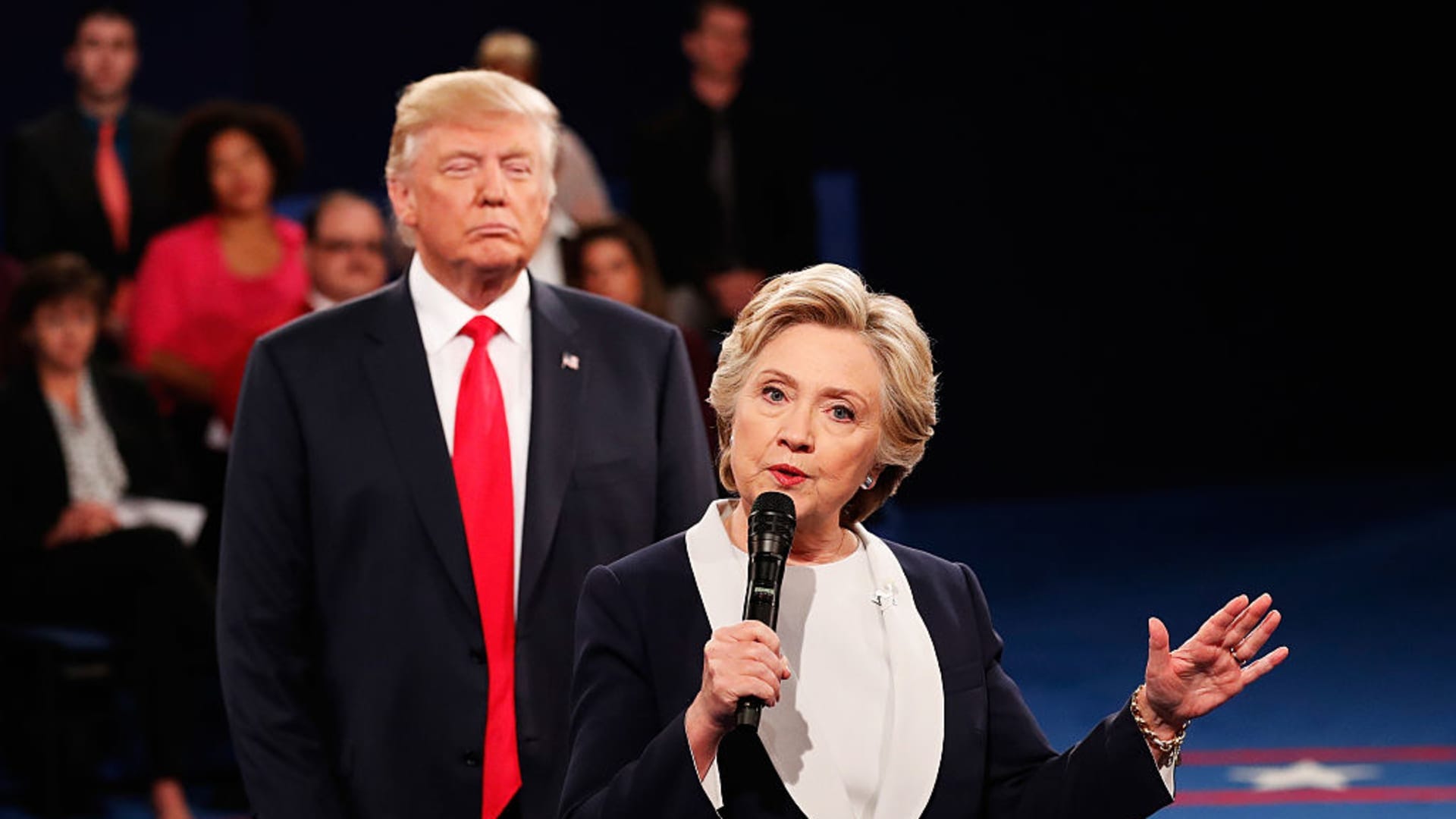
Our criminal justice system is an intricate web of laws, policies, and procedures designed to balance the scales of justice. However, this balance is delicate, and understanding its intricacies is crucial. A prime example of this complexity can be seen in the contrasting cases of Donald Trump found guilty of business fraud in furtherance of federal election interference and campaign finance violations, versus Hillary Clinton’s use of a private email server while Secretary of State.
Trump was found guilty of 34 felony counts of business fraud, in furtherance of committing federal election interference and campaign finance violations by a New York jury. These charges are based on concrete actions that directly contravene established laws and regulations, with significant implications for democratic processes and the integrity of elections. The legal proceedings against him underscore the principle that the rule of law must apply to everyone, even a former president. Politicians are prosecuted for criminal conduct regularly and are given the same rights as every other defendant, ensuring that justice is administered fairly and impartially.
In contrast, Hillary Clinton’s use of a private email server during her tenure as Secretary of State was thoroughly investigated by multiple agencies, including the FBI. While her actions were deemed careless and a violation of protocol, there was no evidence of nefarious intent or criminal conduct. The intense media focus on her email practices often overshadowed the substantive issues at hand, illustrating how sensationalism can distort public perception and obscure the real complexities of a case.
Political Polarization and Nuance
Political discourse today is rife with polarization. The tendency to view issues through a black-and-white lens has led to an environment where compromise and nuanced discussions are rare. This is evident in how the cases of Trump and Clinton are often weaponized for partisan purposes rather than being examined on their individual merits.
Trump’s legal battles are dismissed by his supporters as politically motivated attacks, while Clinton’s email scandal is frequently portrayed by her detractors as a grave criminal offense. These simplified narratives ignore the complexities of each situation and hinder constructive dialogue. Understanding the distinct nature of each case is crucial for informed debate and policy-making.
The Role of Media and Education
The media plays a significant role in shaping public perception and understanding of complex issues. Sensational headlines and soundbites often prioritize engagement over depth, contributing to the oversimplification of critical discussions. Educational institutions also bear a responsibility to equip individuals with the skills to critically analyze and understand complex issues. Promoting critical thinking and media literacy can help bridge the gap in understanding.
A Path Forward
To foster a more nuanced understanding of our criminal justice and political systems, we must prioritize depth over simplicity in our discussions and policies. Here are a few steps we can take:
1. Promote Critical Thinking: Encourage education systems to emphasize critical thinking and media literacy from an early age. This will help individuals discern the complexities of various issues and make informed decisions.
2. Support Comprehensive Reporting: Advocate for media outlets to provide in-depth reporting and analysis rather than relying solely on sensational headlines. Consumers can also support outlets that prioritize quality journalism.
3. Encourage Bipartisan Dialogue: Foster environments where individuals with differing viewpoints can engage in constructive dialogue. This can lead to a better understanding of the nuances involved and promote collaborative problem-solving.
4. Policy with Precision: Policymakers should strive to understand the full scope of the issues they aim to address. This means considering various perspectives and potential impacts before enacting legislation.
Our criminal justice and political systems are too complex to be reduced to simple solutions or polarizing soundbites. The cases of Donald Trump and Hillary Clinton illustrate how essential it is to understand the specific details and contexts of each situation. The rule of law must apply to everyone, regardless of their position, ensuring that justice is administered fairly and impartially. That is not to say that our system always gets it right, but it is the best system of justice anywhere in the world. By embracing nuance and fostering a deeper understanding, we can create more effective and just policies that address the root causes of the challenges we face.
As we move forward, let us commit to moving beyond the oversimplified narratives and work towards a more informed, thoughtful, and equitable society. Our democracy depends on our ability to engage with complex issues with the seriousness and depth they deserve.