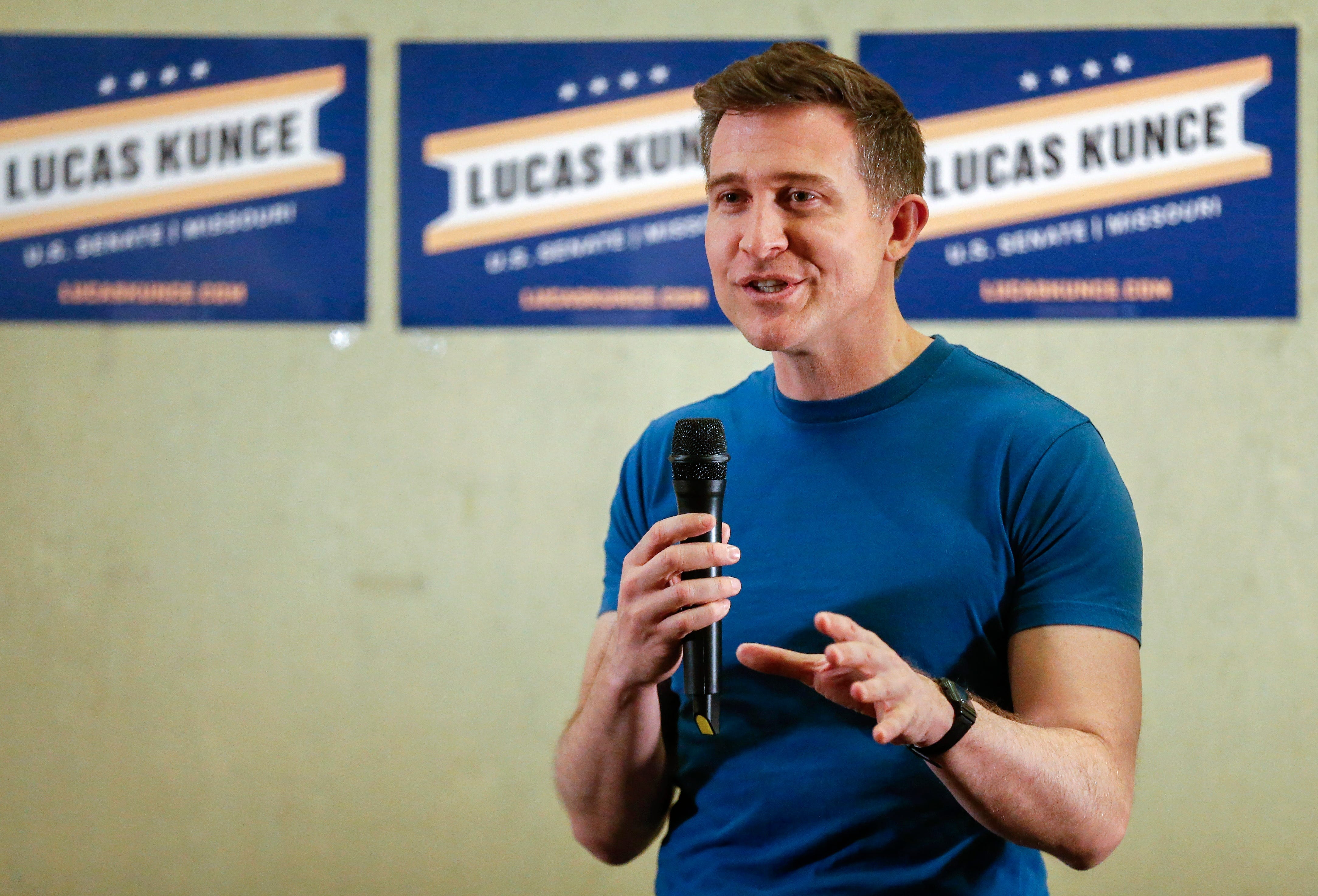
As the 2024 Senate elections approach, Missouri has become a focal point, with incumbent Senator Josh Hawley facing a strong challenge from Marine Corps veteran Lucas Kunce. This contest is emerging as one of the most scrutinized and potentially influential elections of the season.
The Incumbent: Senator Josh Hawley
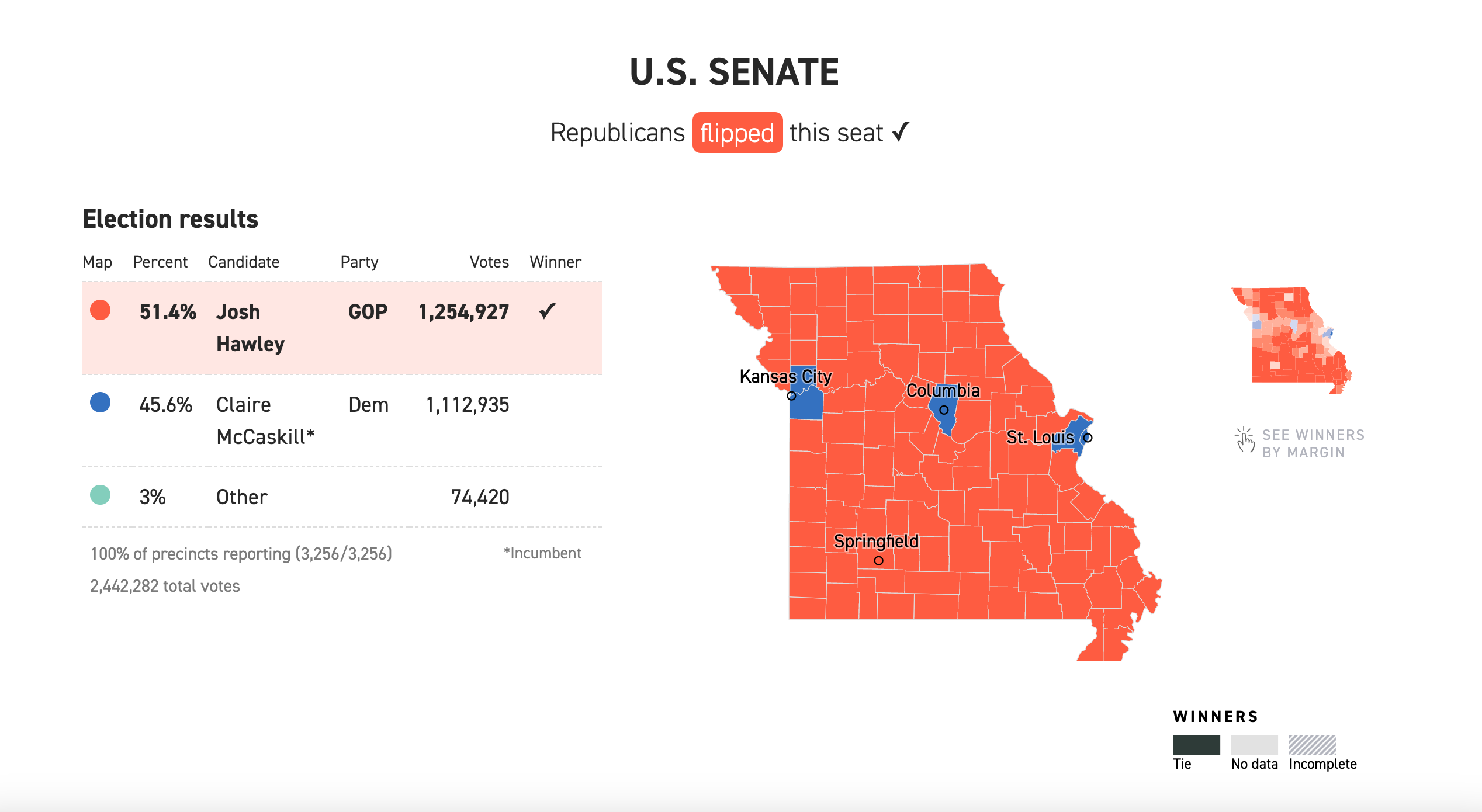
Josh Hawley, who first rose to national prominence when he defeated then-incumbent Senator Claire McCaskill in 2018, has been a polarizing figure in American politics. Known for his staunch conservative views and vocal support of former President Donald Trump, Hawley has positioned himself as a champion of the right, often drawing both praise and criticism for his actions and statements.
Senator Hawley's legislative history has often been a lightning rod for controversy, marked by policies and rhetoric that have polarized voters. His staunchly conservative stance on social issues, particularly his outspoken anti-choice rhetoric, has alienated many constituents who support reproductive rights. Hawley has consistently pushed for restrictive abortion laws, aligning himself with efforts to overturn Roe v. Wade even before the landmark decision was reversed by the Supreme Court in 2022.
His legislative initiatives have also included attempts to limit access to contraception and defund Planned Parenthood, further cementing his position as a divisive figure in the ongoing national debate over women's reproductive health. These positions, coupled with his involvement in election denialism, have contributed to a perception of Hawley as a politician out of touch with the broader needs and values of his constituents, fueling the momentum behind his challenger, Lucas Kunce.
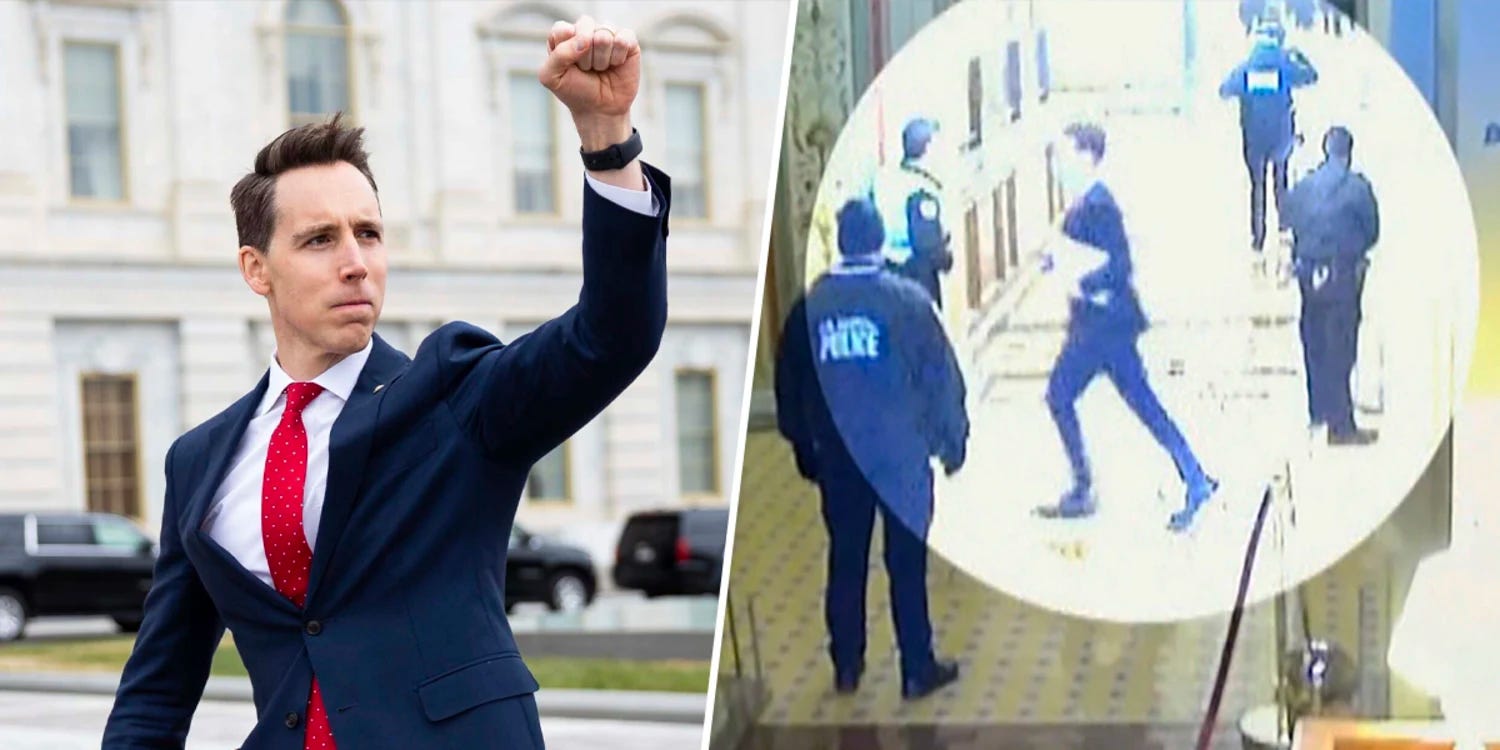
Hawley's tenure in the Senate has been marked by several high-profile moments, but none more controversial than his involvement in the election denialism that contributed to the events of January 6, 2021. His raised fist in solidarity with protestors before the Capitol insurrection has become a lasting image, symbolizing his alignment with efforts to challenge the legitimacy of the 2020 presidential election. This association continues to be a focal point for both his supporters and detractors as the election approaches.
The Former: Senator Claire McCaskill
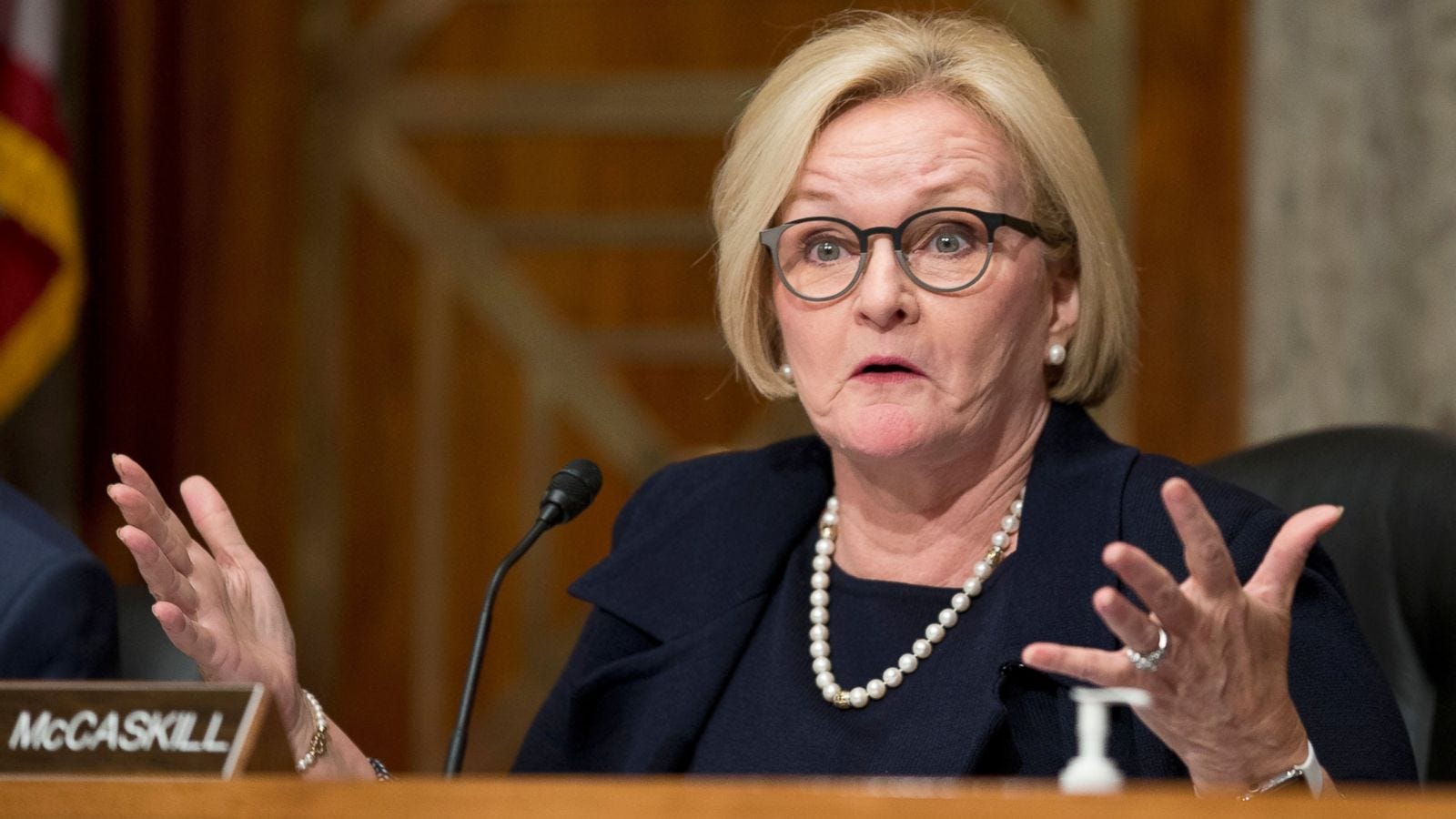
Before becoming a U.S. Senator, Claire McCaskill had a distinguished career in Missouri politics and public service. She began her career as an assistant prosecutor in Kansas City, where she gained a reputation for her tough stance on crime and her dedication to justice. McCaskill then served as a member of the Missouri House of Representatives, where she championed legislation on issues such as consumer protection and government accountability. Her political trajectory continued as she became the first woman elected as Jackson County Prosecutor, a role in which she focused on fighting corruption and enhancing public safety. McCaskill's commitment to public service and her effective leadership were further demonstrated during her tenure as Missouri State Auditor, where she prioritized fiscal responsibility and transparency in government operations. These roles collectively laid the foundation for her successful bid for the U.S. Senate in 2006, showcasing her longstanding dedication to serving the people of Missouri with integrity and pragmatism.
Throughout her time in office, she focused on issues such as healthcare, veterans’ affairs, and government accountability. One of her notable achievements was her advocacy for the Affordable Care Act, which aimed to expand healthcare access to millions of Americans. She also played a key role in addressing sexual assault in the military, pushing for reforms to protect service members and ensure justice.
However, McCaskill’s moderate stance also made her a target for criticism from both sides of the political spectrum. While some praised her efforts to find common ground, others felt she did not align closely enough with the progressive wing of her party. This centrist approach was a double-edged sword, helping her maintain a broad appeal but also contributing to challenges in maintaining strong support within her party’s base.
In 2018, McCaskill was defeated by Josh Hawley in a highly contentious race that reflected the increasing polarization of American politics. Despite her loss, McCaskill’s impact on Missouri and her legacy of service continue to be felt. Her work on behalf of her constituents and her dedication to public service remain important chapters in the state’s political history.
As Missouri moves forward with the upcoming election, the contrasting legacies of Claire McCaskill and Josh Hawley provide a stark backdrop for voters. McCaskill’s tenure offers a perspective on a different era of governance, one where bipartisanship and pragmatic problem-solving were often more prevalent.
By reflecting on McCaskill’s tenure, we gain a deeper understanding of the shifting political landscape and the factors at play in this pivotal Senate race. Her legacy serves as a reminder of the enduring importance of dedicated public service and the ongoing quest for effective leadership
The Challenger: Lucas Kunce
Lucas Kunce's distinguished military service forms a cornerstone of his candidacy and public persona. As a Marine Corps officer, Kunce served multiple tours in Iraq and Afghanistan, where he gained firsthand experience in leadership, strategy, and the complexities of global conflict. His roles included advising high-level military leaders and coordinating operations that required not only tactical acumen but also a deep understanding of the socio-political landscapes of the regions. Kunce's service earned him numerous commendations and awards, reflecting his dedication, bravery, and effectiveness in some of the most challenging environments. This background has deeply informed his views on national security, foreign policy, and the importance of supporting veterans, making him a compelling candidate who emphasizes integrity, service, and a commitment to country over partisan politics.
Kunce's campaign has emphasized issues such as economic inequality, healthcare access, and veterans' affairs. He has criticized Hawley for what he describes as a focus on divisive rhetoric over tangible results for the people of Missouri. Kunce argues that his experience and dedication to service make him the better choice for leading Missouri forward in these challenging times.
The Stakes
This election is not just about two candidates; it's about the direction of Missouri and, by extension, the nation. The outcome could influence the balance of power in the Senate and shape the legislative agenda for years to come. For many voters, the choice between Hawley and Kunce represents a broader decision about the kind of leadership and values they want to see in Washington.
Hawley's supporters argue that his conservative principles and unwavering support for President Trump's policies are exactly what Missouri needs. They view him as a defender of traditional values and a fighter against what they see as overreach by the federal government.
On the other hand, Kunce's supporters believe that Missouri needs a change. They see Kunce as a leader who understands the struggles of ordinary Americans and who will prioritize policies that benefit the many rather than the few. His military background and commitment to public service resonate with voters looking for integrity and dedication in their representatives.
Looking Ahead
As we approach election day, the campaigns of both candidates will undoubtedly intensify, with each side seeking to sway undecided voters and mobilize their base. The debates, advertisements, and grassroots efforts will play a crucial role in shaping public opinion and ultimately determining the outcome of this pivotal race.
For those who are tired of the partisanship and division that has characterized recent political discourse, this election represents an opportunity to make their voices heard. It is a chance to choose a path forward that reflects their values and priorities.