

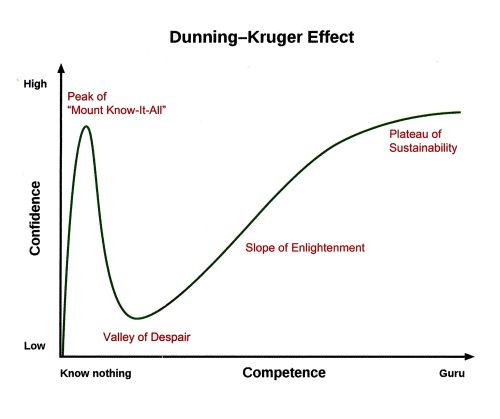
In our digital age, the internet has become an unparalleled repository of information, empowering individuals with knowledge at their fingertips. However, this surge in accessible information has also amplified the prevalence of the Dunning-Kruger effect—a cognitive bias where people with limited knowledge or competence in a particular domain overestimate their own abilities. This phenomenon, named after psychologists David Dunning and Justin Kruger, is increasingly relevant in today’s online landscape.
Understanding the Dunning-Kruger Effect
The Dunning-Kruger effect is a psychological pattern where individuals with low ability, expertise, or experience in a particular area fail to recognize their own lack of skill. This overestimation is often coupled with an inability to recognize genuine skill in others. Essentially, those who know the least about a topic are often the most confident in their understanding of it.
The Internet as a Double-Edged Sword
The internet democratizes knowledge, allowing anyone to contribute their thoughts, opinions, and “expertise.” Platforms like social media, blogs, and forums provide a voice to millions who might otherwise be unheard. While this can lead to valuable insights and the democratization of information, it also fosters environments where misinformation and overconfidence thrive.
In the age of the internet, the Dunning-Kruger effect manifests in several ways:
1. Echo Chambers and Confirmation Bias: Online communities often form around shared beliefs, creating echo chambers that reinforce preexisting opinions and misinformation. Individuals in these groups may develop a false sense of confidence in their understanding, buoyed by the support of like-minded peers.
2. Viral Misinformation: Misinformation spreads rapidly online, with individuals sharing content without verifying its accuracy. The Dunning-Kruger effect plays a role here, as people with superficial knowledge may feel confident enough to propagate false information.
3. Influence of Pseudo-Experts: The internet allows self-proclaimed experts to gain significant followings, often without the credentials or expertise to back up their claims. This can mislead individuals and contribute to the spread of inaccuracies.
The Impact on Public Discourse
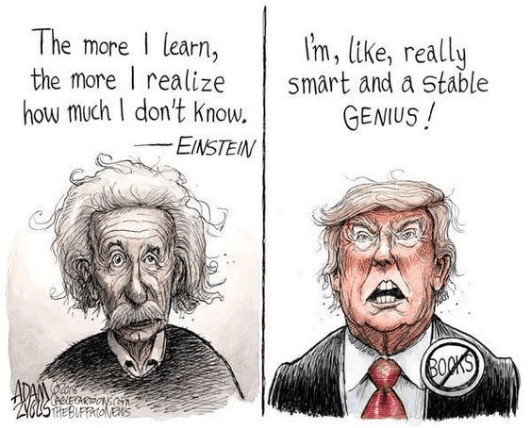
The Dunning-Kruger effect significantly impacts public discourse, particularly in areas such as politics, health, and science. During the COVID-19 pandemic, for example, the spread of misinformation about vaccines and treatments was exacerbated by individuals who overestimated their understanding of virology and epidemiology. This not only led to confusion and mistrust but also had tangible, harmful consequences for public health.
Similarly, in the political arena, the proliferation of conspiracy theories and the confidence with which they are presented can undermine democratic processes and erode trust in institutions. The Dunning-Kruger effect, combined with the vast reach of the internet, has the potential to distort perceptions and influence decision-making on a massive scale.
Combating the Dunning-Kruger Effect
Addressing the Dunning-Kruger effect in the age of the internet requires a multifaceted approach:
1. Promoting Media Literacy: Educating individuals on how to critically evaluate information sources and recognize credible expertise is crucial. Media literacy programs can help people navigate the vast landscape of online information more effectively.
2. Encouraging Intellectual Humility: Fostering a culture that values intellectual humility and acknowledges the limits of one’s knowledge can counteract the overconfidence characteristic of the Dunning-Kruger effect. Encouraging curiosity and a willingness to learn from others is essential.
3. Strengthening Fact-Checking Mechanisms: Social media platforms and search engines must enhance their fact-checking mechanisms to curb the spread of misinformation. Transparent and accessible fact-checking resources can help users discern reliable information from falsehoods.
4. Supporting Expertise and Evidence-Based Information: Amplifying the voices of genuine experts and promoting evidence-based information is vital. This involves not only highlighting credible sources but also ensuring that expert voices are accessible and engaging to the general public.
The Dunning-Kruger effect in the age of the internet presents significant challenges to the way we process and understand information. As we navigate this complex landscape, it is imperative that we cultivate a more informed and critical society, capable of discerning fact from fiction and recognizing the true value of expertise. By addressing the root causes and manifestations of this cognitive bias, we can foster a healthier, more accurate public discourse in our increasingly connected world.