

Street safety is a critical issue that impacts every resident in Phoenix. When there is no common understanding of traffic laws and appropriate enforcement or education, our streets become unsafe for all users. Lack of clarity and adherence to traffic rules leads to chaos and unpredictability on the roads, increasing the risk of accidents and injuries. Addressing traffic enforcement and implementing traffic cameras are vital steps, but they alone are not enough. We must consider additional measures to create a safer and more inclusive environment for all road users, including pedestrians, cyclists, and motorists. A comprehensive street safety strategy must involve expanding bike lanes and safety barriers, educating the public on bike safety, and enforcing traffic laws uniformly.
Additional Bike Lanes and Safety Barriers
The increase in electric scooters and electric bicycles highlights the urgent need for more dedicated bike lanes and safety barriers. These vehicles provide eco-friendly and efficient transportation options but also pose new challenges in terms of street safety. Currently, many cyclists and scooter riders are forced to share the road with cars, which can lead to dangerous interactions. By expanding our network of bike lanes and installing safety barriers, we can create safer pathways for cyclists and scooter riders. Dedicated bike lanes separated from vehicular traffic reduce the risk of collisions, encourage more people to use these sustainable transportation options, and ultimately contribute to a decrease in traffic congestion and pollution.
Education on Bike Safety
Educating the public on bike safety is another critical step. This includes promoting awareness of proper cycling practices, understanding the rules of the road, and ensuring that both cyclists and motorists know how to share the road responsibly. Many accidents occur because of misunderstandings or ignorance about traffic laws and safe cycling practices. Educational campaigns can be conducted through schools, community centers, and public service announcements, reinforcing the importance of safety and respect for all road users. Comprehensive education programs should cover topics such as wearing helmets, using hand signals, obeying traffic lights, and understanding right-of-way rules. By fostering a culture of mutual respect and awareness, we can significantly reduce accidents and improve safety for everyone.
Enforcing Traffic Laws
Enforcement of traffic laws must be consistent and inclusive, targeting not only motorists but also pedestrians and cyclists. Ensuring that everyone adheres to the law helps maintain order and safety on our streets. This includes obeying traffic signals, using designated crosswalks, and following the rules of bike lanes. Inconsistent enforcement creates confusion and encourages reckless behavior, undermining overall safety. A collaborative approach, with law enforcement and community involvement, can help create a culture of safety and compliance. Police should be trained to address the unique challenges faced by cyclists and pedestrians, and there should be clear penalties for violations that endanger others. By making enforcement visible and fair, we can deter dangerous behavior and encourage everyone to follow the rules.
Urban Design Strategies
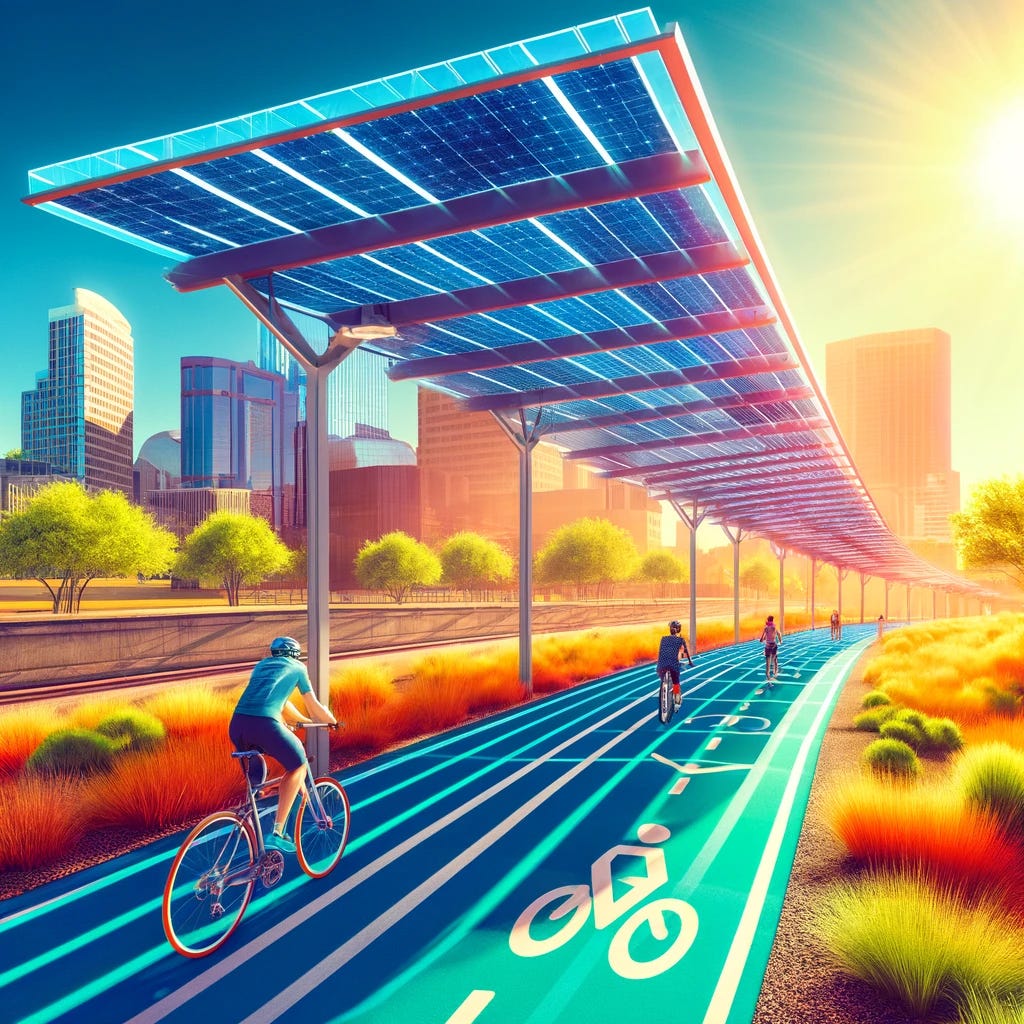
Urban design strategies that protect cyclists and pedestrians from heat and collisions with cars are also crucial. Phoenix’s climate poses unique challenges, particularly during the hot summer months when temperatures can soar. Innovative solutions like solar-covered walkways and bikeways can provide much-needed shade and reduce heat exposure for those traveling on foot or by bike. Solar panels can also generate renewable energy, contributing to the city’s sustainability goals. Additionally, paving new bike and scooter paths that are separated from car traffic can significantly reduce the risk of accidents. These paths should be designed with safety features such as clear signage, proper lighting, and smooth surfaces to ensure a safe and comfortable journey for all users. By integrating green spaces and cooling features into urban design, we can create a more pleasant and safer environment for everyone.
Addressing the Rise of Electric Scooters and Bicycles
The rise in the use of electric scooters and bicycles further underscores the need for urgent action. These vehicles are becoming increasingly popular due to their convenience and environmental benefits. However, without proper infrastructure and safety measures, they can contribute to the chaos on our streets. Electric scooters and bikes often share crowded roads and sidewalks with pedestrians and cars, leading to conflicts and accidents. By proactively designing our urban spaces to accommodate these new forms of transportation, we can ensure a safer and more harmonious coexistence among all road users. This includes creating designated parking areas for scooters and bikes, ensuring they do not block sidewalks or entrances, and developing clear guidelines for their use. Encouraging responsible usage through education and enforcement will help integrate these new transportation options into our cityscape smoothly and safely.
Enhancing street safety in Phoenix requires a multifaceted approach that includes expanding bike lanes and safety barriers, educating the public on bike safety, enforcing traffic laws, and adopting urban design strategies that protect cyclists and pedestrians from heat and collisions. By addressing these areas, we can create a safer, more sustainable, and more enjoyable environment for everyone in our city. Let’s take these steps together to build a better and safer Phoenix. By fostering a shared understanding of traffic laws, investing in infrastructure, and promoting education and enforcement, we can make our streets safer for all residents and visitors.