


In recent years, a troubling trend has emerged among diesel pickup truck owners: the illegal tampering with emissions controls through the use of aftermarket defeat devices. This practice not only undermines the integrity of our environmental regulations but also poses a significant threat to public health and the environment. Today, we’ll explore this issue in depth, examining its implications and the need for stricter enforcement of the Clean Air Act.
Understanding the Issue
Diesel engines, known for their durability and fuel efficiency, are popular choices for pickup trucks. However, they produce higher levels of nitrogen oxides (NOx), particulate matter (PM), and sulfur, hydrocarbons (HC), carbon monoxide (CO), volatile organic compounds (VOCs), and other hazardous air pollutants (HAPs), which contribute to smog and respiratory issues. To mitigate these emissions, diesel vehicles are equipped with emissions control systems like diesel particulate filters (DPFs); selective catalytic reduction (SCR) systems; exhaust gas recirculation (EGR) systems; and diesel oxidation catalysts (DOCs).
Owners of diesel trucks can modify emissions control systems, as well as engine calibrations that affect engine combustion (e.g., fuel injection or ignition timing, injection pattern, fuel injection mass for each injection event, fuel injection pressure, EGR flowrate, mass air flowrate, EGR cooler bypassing); and more. These devices can increase NOx emissions by up to 40 times the legal limit, significantly compromising the effectiveness of the Clean Air Act’s standards.
Diesel exhaust poses significant dangers to both human health and the environment due to its complex mixture of harmful pollutants, including nitrogen oxides (NOx), particulate matter (PM), and various toxic chemicals. Exposure to diesel exhaust can lead to serious respiratory issues, such as asthma and bronchitis, and has been linked to cardiovascular diseases and lung cancer. The fine particulate matter in diesel exhaust penetrates deep into the lungs and bloodstream, causing systemic inflammation and other adverse health effects.
Environmentally, diesel exhaust contributes to the formation of ground-level ozone and smog, which can damage ecosystems, reduce crop yields, and impair visibility. Moreover, the deposition of diesel particulate matter can contaminate soil and water, affecting plant and animal life and disrupting natural habitats. The cumulative impact of diesel exhaust underscores the urgent need for stringent emissions controls and effective regulatory enforcement to protect public health and the environment.
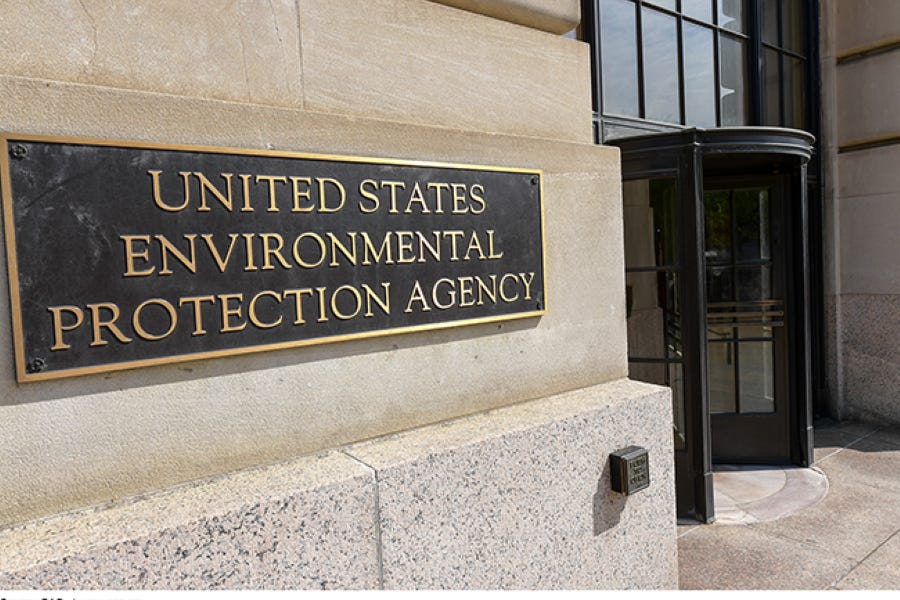
What is the Clean Air Act?
The Clean Air Act (CAA) is a landmark federal law that regulates air emissions from various sources, aiming to protect public health, welfare, and the environment. Enacted in 1970 and amended in 1990, the CAA is a comprehensive legislation that has had a significant impact on reducing air pollution in the United States.
Key Provisions:
National Ambient Air Quality Standards (NAAQS): The CAA authorizes the Environmental Protection Agency (EPA) to establish NAAQS, which set limits for six common air pollutants:
Particulate Matter (PM)
Ozone (O3)
Nitrogen Dioxide (NO2)
Sulfur Dioxide (SO2)
Carbon Monoxide (CO)
Lead (Pb)
Hazardous Air Pollutants (HAPs): The CAA requires the EPA to regulate emissions of HAPs, which are pollutants known or suspected to cause cancer, neurological damage, or other serious health effects. The EPA has identified 187 HAPs, including:
Mercury
Arsenic
Benzene
Asbestos
Stationary and Mobile Sources: The CAA regulates air emissions from both stationary sources (e.g., power plants, factories) and mobile sources (e.g., vehicles, aircraft).
Permitting and Enforcement: The CAA requires sources to obtain permits, which outline the allowed emissions levels and operating conditions. The EPA and state agencies enforce these permits, ensuring compliance with regulations.
Impact and Benefits:
The Clean Air Act has led to significant reductions in air pollution, resulting in numerous benefits for public health and the environment:
Improved Air Quality: The CAA has helped reduce emissions of common pollutants, improving air quality and protecting public health.
Health Benefits: By reducing air pollution, the CAA has prevented:
Premature deaths
Respiratory problems
Cardiovascular disease
Neurological damage
Environmental Benefits: The CAA has helped protect ecosystems, including:
Acid rain reduction
Visibility improvement
Protection of wildlife habitats
Recent Legal Actions
GDP Tuning LLC and Gorilla Performance
GDP Tuning LLC, Custom Auto of Rexburg LLC (doing business as Gorilla Performance), and owner Barry Pierce were sentenced for violating the Clean Air Act. They were found guilty of tampering with emissions control systems in diesel trucks, including on-board diagnostic (OBD) systems. The sentencing includes:
Barry Pierce: 4 months in prison
GDP Tuning and Gorilla Performance: 5 years of probation
Joint fine: $1 million
Diesel & Offroad Authority, LLC
Diesel & Offroad Authority, LLC, and its owner, Christopher Paul Kaufman, pleaded guilty to tampering with pollution monitoring devices on at least 184 vehicles. Kaufman directed the unlawful modifications and the shop tampered with emissions control systems from 2018 to 2022, charging $2,300 per modification and collecting over $378,000. Their plea deal states:
They will each pay $150,000 in fines and serve three years of probation.
These cases involving GDP Tuning LLC and Diesel & Offroad Authority, LLC, are just two examples of a much larger initiative aimed at prosecuting those who violate environmental laws. The enforcement actions against these companies and individuals underscore the government's commitment to upholding the integrity of the Clean Air Act and protecting public health and the environment. By imposing significant fines and prison sentences, regulatory agencies are sending a strong message that illegal tampering with emissions controls will not be tolerated. This broader initiative is crucial for deterring future violations and ensuring that all vehicles on the road comply with emissions standards, thereby safeguarding air quality and public health.
The illegal tampering of diesel pickup trucks' emissions controls through aftermarket defeat devices represents a serious challenge to environmental protection and public health. By circumventing essential emissions control systems, these actions not only violate the Clean Air Act but also threaten the progress we’ve made in reducing air pollution and safeguarding our communities.
The Clean Air Act has been a cornerstone of our efforts to maintain clean air and protect public health since its inception. Its provisions have successfully reduced pollution levels, prevented health issues, and preserved our environment. However, recent cases involving GDP Tuning LLC and Diesel & Offroad Authority, LLC, highlight the urgent need for robust enforcement and stricter regulations. These cases demonstrate that without vigilant oversight and stringent penalties, the integrity of the Clean Air Act is at risk, allowing potential violators to cause significant and potentially irreparable harm.
The legal actions taken against these companies and individuals serve as a reminder of the importance of upholding environmental laws and holding those who violate them accountable. The fines and sentences imposed reflect the seriousness of these offenses and the commitment of law enforcement and regulatory agencies to protect our air quality.
As we move forward, it is crucial that we continue to support and advocate for strong enforcement of environmental regulations. By doing so, we can ensure that our air remains clean, our health is protected, and the integrity of our environmental laws is maintained.
Lane County Diesel Repair Shop and Shop Owner Plead Guilty to Clean Air Act Violations