In recognition of the first day of Pride Month, I want to highlight a pivotal moment in that journey: the landmark Supreme Court case, Lawrence v. Texas.
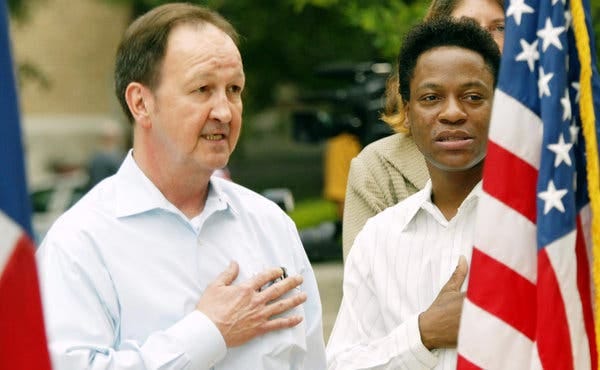
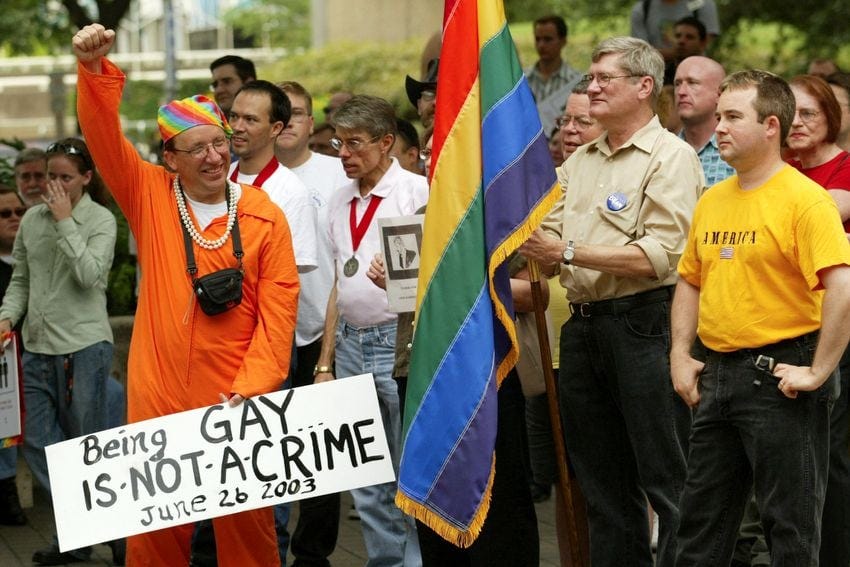
On June 26, 2003, the Supreme Court delivered a historic ruling in Lawrence v. Texas, invalidating sodomy laws in the United States. The case stemmed from a 1998 incident where John Lawrence and Tyron Garner were arrested in Texas for engaging in consensual sexual activity in the privacy of Lawrence’s home. At the time, Texas law criminalized such behavior, reflecting widespread discrimination against the LGBTQ+ community.
In a powerful 6-3 decision, the Supreme Court ruled that the Texas statute violated the Due Process Clause of the Fourteenth Amendment, which guarantees the right to liberty and privacy. Justice Anthony Kennedy, writing for the majority, stated that the law demeaned the lives of homosexual persons and intruded into the private and intimate sphere of individuals. This decision overturned the Court’s previous ruling in Bowers v. Hardwick (1986), which had upheld similar laws.
Lawrence v. Texas was more than a legal victory; it was a profound affirmation of dignity and equality. It marked a turning point in the struggle for LGBTQ+ rights, setting the stage for subsequent advances, including the legalization of same-sex marriage in Obergefell v. Hodges (2015). This ruling underscored the principle that consenting adults have the right to engage in private, consensual sexual conduct without government interference.
Moreover, it reaffirmed the essential right to privacy enshrined in our Constitution, highlighting how constitutional protections directly impact the lives of real people—like John Lawrence and Tyron Garner—who face discrimination and legal challenges.
As we honor this milestone during Pride Month, it is essential to reflect on its broader significance. Lawrence v. Texas reminds us of the importance of judicial decisions in shaping societal norms and protecting individual freedoms. It also highlights the resilience and courage of those who challenged unjust laws, paving the way for a more inclusive and just society.
Pride Month is not just a celebration of identity and love; it is a tribute to the ongoing struggle for civil rights and equality. It is a time to remember the activists and allies who have fought tirelessly for recognition and justice. From the Stonewall Riots of 1969 to the Supreme Court rulings of the 21st century, each step forward has been fueled by a commitment to the fundamental principles of human dignity and respect.
As we celebrate this Pride Month, let us honor the legacy of Lawrence v. Texas by continuing to advocate for equality and justice for all. Let us support policies and initiatives that protect the rights of LGBTQ+ individuals and address the unique challenges they face. Let us foster a society where everyone, regardless of sexual orientation or gender identity, can live freely and authentically.
Together, let us continue to build a future where love, acceptance, and equality are the cornerstones of our society.
With love and pride,
Aden