

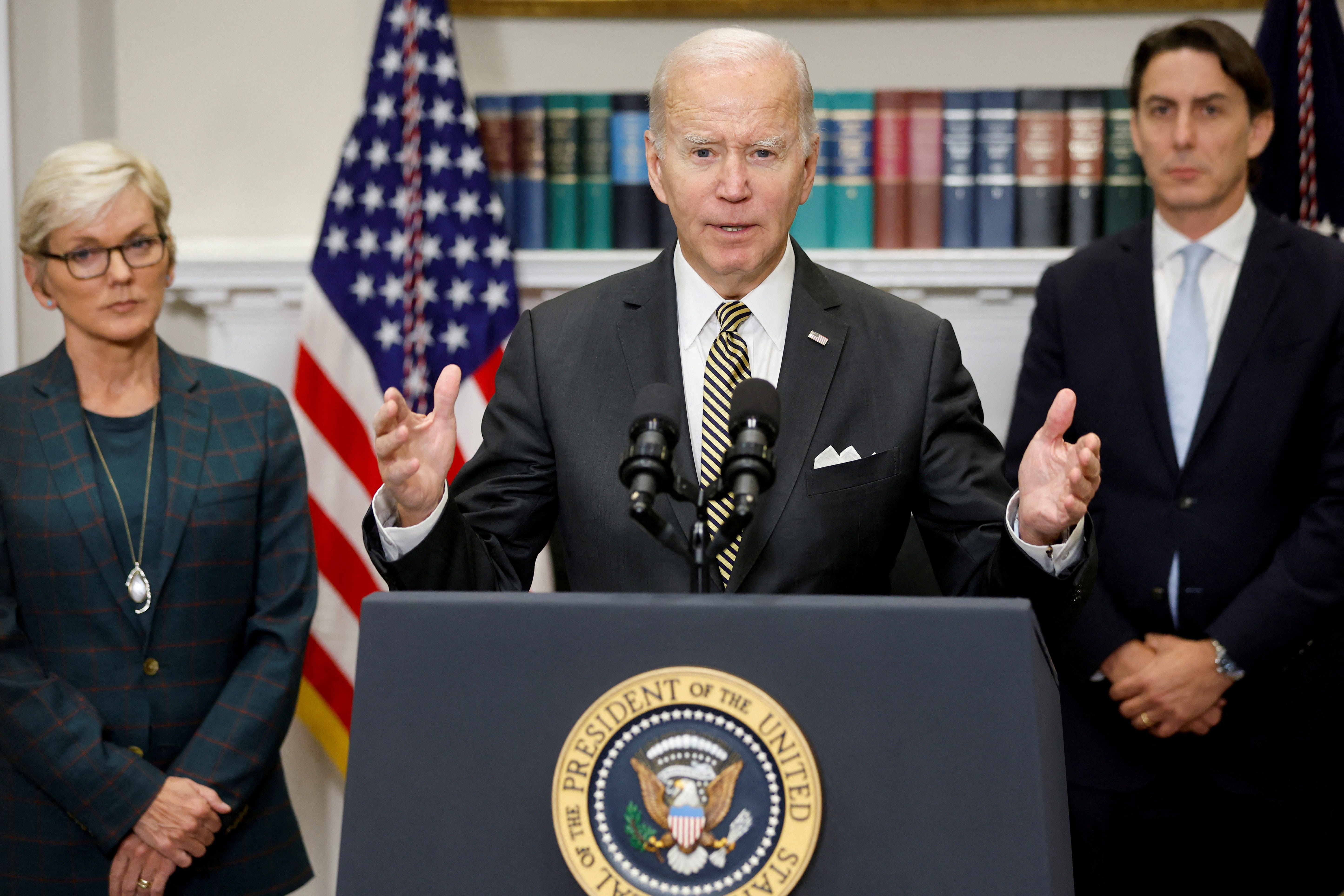
Established in the aftermath of the 1973-74 oil embargo, the Strategic Petroleum Reserve (SPR) was designed to shield the United States from the economic shockwaves of future oil supply disruptions. As we navigate the complexities of the modern energy market, President Biden’s strategic deployment of the SPR stands out as a decisive move to stabilize oil prices and challenge the influence of OPEC.
A Brief History of the SPR
The concept of stockpiling emergency oil dates back to 1944, but it was the 1973-74 oil embargo that provided the impetus for the SPR’s creation. The embargo, imposed by the Organization of Arab Petroleum Exporting Countries (OAPEC), led to severe oil shortages and soaring prices, underscoring the vulnerability of the U.S. to external supply shocks. In response, the Energy Policy and Conservation Act was signed by President Ford in late 1975, officially establishing the SPR.
The salt caverns on the Gulf Coast were selected as storage sites due to their cost-effectiveness and security. These locations are also conveniently close to numerous U.S. refineries and key distribution points for tankers, barges, and pipelines. The SPR, capable of holding up to 727 million barrels, has since served as a critical buffer against energy crises.
President Biden’s Strategic Use of the SPR
In recent years, global events have tested the resilience of energy markets. OPEC’s decision to cut oil production and Russia’s invasion of Ukraine in 2022 significantly disrupted the supply chain, causing oil prices to soar. Russia, the world’s largest exporter of oil, faced severe sanctions from the U.S. and our allies in response to President Putin’s unprovoked war. These sanctions restricted Russia’s ability to sell oil on the global market, further tightening supply and driving up prices.
Additionally, the COVID-19 pandemic initially caused a significant dip in oil consumption as travel and economic activity ground to a halt. However, as the world began to recover and people resumed traveling, demand for oil surged rapidly, contributing to higher prices.
In response to these pressures, President Biden took the unprecedented step of releasing millions of barrels of crude oil from the SPR and selling them into the global market. This bold move was designed to increase supply and drive down prices, directly countering the price-setting power of OPEC. By injecting additional oil into the market, President Biden’s administration aimed to reestablish price stability and mitigate the inflationary pressures that were squeezing American consumers and businesses alike.
An Innovative Strategy
President Biden’s approach to using the SPR has been particularly innovative. By acting as both a seller of last resort and a buyer of last resort, the administration has been able to stabilize prices from both ends of the spectrum. This dual strategy not only helps to protect consumers from skyrocketing prices but also ensures that oil producers remain profitable. By guaranteeing a market for their product and providing a floor price during times of low demand, the administration supports the domestic oil industry and secures the country’s energy supply chain.
Addressing Republican Criticisms
Despite the success of this strategy, it has not been without controversy. Republicans in Congress have accused President Biden of abusing his authority over the SPR, alleging that selling millions of barrels of crude oil on the global market was a political maneuver. If by political they mean "relating to the government or the public affairs of a country," they would be correct: the president employed this strategy to protect the U.S. economy, and it has been successful.
Republicans have tried to invoke fear among voters by suggesting that the U.S. no longer has sufficient reserves in case of an emergency. However, it's important to note that the United States is currently producing more oil than it ever has in history. And by emphasizing the threat of oil supply disruptions, Republicans inadvertently underscore the very point President Biden has made: the need to diversify our energy sector. This was a key component of the Inflation Reduction Act, which aims to adopt green energy technologies that will insulate us from such disruptions.
Economic Impact and Replenishment Strategy
The release of SPR oil not only helped to stabilize prices but also played a crucial role in slowing the rate of inflation. Lower energy costs translated into reduced transportation and manufacturing expenses, which in turn eased the overall cost of goods and services.
Over time, the Biden administration has been methodically refilling the SPR, capitalizing on lower market prices to purchase oil at approximately $30 less per barrel than the sale price. This strategic replenishment ensures that the reserve remains robust and ready to address future crises, while also providing a financial benefit to the U.S. economy.
President Biden’s use of the Strategic Petroleum Reserve underscores the importance of proactive and strategic energy policy. By leveraging the SPR to stabilize oil prices and challenge OPEC’s influence, the administration has demonstrated a commitment to protecting American consumers and businesses from volatile energy markets.
However, this is only part of the solution. Transitioning to clean energy sources remains crucial for our long-term energy security and environmental sustainability. President Biden’s energy policy, as outlined in the Inflation Reduction Act, aims to harden our energy security by investing in renewable energy, improving energy efficiency, and reducing carbon emissions. These efforts are vital to reducing our dependence on fossil fuels and ensuring a stable, sustainable energy future.