

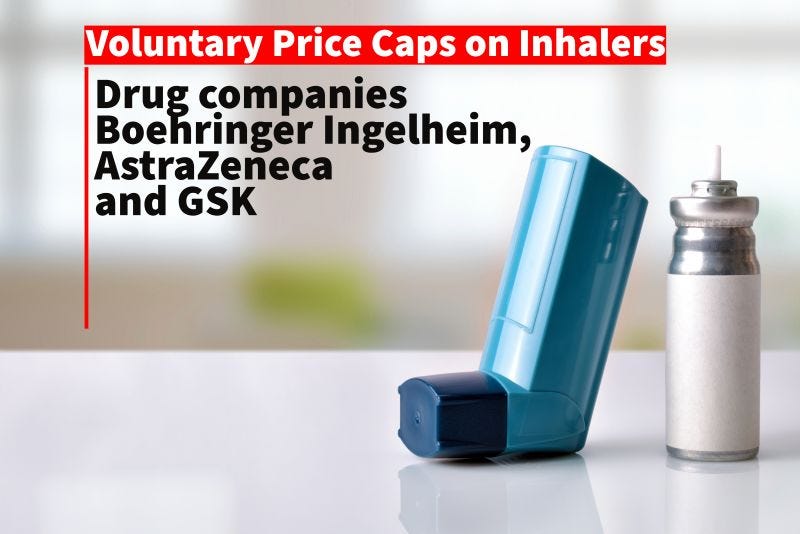
In recent years, the exorbitant cost of inhalers has posed a significant financial burden on millions of Americans who rely on these life-saving devices. However, a recent development has brought much-needed relief: the implementation of a $35 price cap on inhalers. This significant change results from the Federal Trade Commission’s (FTC) thorough investigation into pharmaceutical patents that have kept inhaler prices artificially high. Under the leadership of Chair Lina Kahn, the FTC’s efforts have been instrumental in ensuring fairer prices for essential medications.
Background
Inhalers are indispensable for individuals with respiratory conditions such as asthma and chronic obstructive pulmonary disease (COPD). These devices provide immediate relief and are crucial in preventing severe health complications. Asthma, for example, affects over 25 million Americans, with nearly 5 million being children. The high cost of inhalers has forced many patients to make difficult choices between their health and financial stability. According to a study by the Asthma and Allergy Foundation of America, about 25% of asthma patients have skipped doses or reduced usage of their inhalers due to cost concerns. Over the past few decades, inhaler prices have steadily increased, placing an undue burden on patients and their families.
FTC Investigation
The Federal Trade Commission (FTC) is tasked with protecting consumers and ensuring competitive markets. Under Chair Lina Kahn, the FTC has focused on addressing anti-competitive practices that harm consumers. The recent investigation into pharmaceutical patents revealed that certain practices by drug manufacturers had kept inhaler prices artificially inflated. Companies were found to have engaged in “evergreening” tactics, where minor modifications to existing drugs were patented to extend their market exclusivity, thereby preventing generic versions from entering the market. Additionally, “pay-for-delay” agreements were identified, where brand-name drug manufacturers paid generic competitors to delay the release of cheaper alternatives.
Patent System and Price Inflation
Pharmaceutical patents are designed to protect the intellectual property of drug manufacturers, granting them exclusive rights to produce and sell their medications for a specific period. While this system encourages innovation, it can also lead to monopolies and inflated prices. In the case of inhalers, certain patents were extended beyond their original terms, preventing competition and keeping prices high. For instance, minor modifications to the inhaler design or delivery mechanism were patented, extending the exclusivity period and delaying generic options. An example is the case of the Proventil HFA inhaler, where a change from CFC to HFA propellants was patented, thus blocking generics and maintaining high prices.
Results of the Investigation
The FTC’s investigation uncovered several anti-competitive practices that contributed to the high cost of inhalers. These findings led to significant actions, including legal settlements with pharmaceutical companies and the implementation of measures to prevent future abuses. Specifically, the FTC’s actions dismantled the “evergreening” tactics by invalidating several questionable patents and imposed penalties on companies involved in pay-for-delay agreements. One of the most impactful outcomes of the FTC’s efforts was the establishment of the $35 price cap on inhalers. This price cap directly resulted from the FTC’s actions to dismantle the monopolistic practices that had kept prices high.
Impact of the Price Cap
The immediate benefits of the $35 price cap for patients are substantial. Individuals who rely on inhalers no longer have to choose between their health and their financial well-being. The price cap ensures that inhalers are accessible to a broader population, improving health outcomes and reducing overall healthcare costs. According to the American Lung Association, the price cap could save patients hundreds of dollars annually, significantly alleviating their financial burden. In the long term, this measure could set a precedent for regulating the prices of other essential medications and medical devices. It also encourages other regulatory bodies and lawmakers to take similar actions in their jurisdictions.
Broader Implications
The role of regulatory bodies like the FTC in controlling drug prices is crucial. This case highlights the importance of maintaining a balance between encouraging innovation and ensuring affordability. The pharmaceutical industry may need to adjust its practices in response to this decision, potentially leading to more transparent pricing models and patent strategies. For instance, companies might focus more on genuine innovations rather than minor modifications to extend patents. Continued vigilance and enforcement are essential to prevent future price inflation and protect consumers from anti-competitive practices. The FTC’s success in this case may inspire increased scrutiny and action against other high-cost medications, fostering a more competitive and fair market.
The $35 price cap on inhalers represents a significant victory for patients and fair competition. The FTC’s investigation and subsequent actions under Chair Lina Kahn’s leadership have brought much-needed relief to millions of Americans. This development underscores the importance of regulatory oversight in the pharmaceutical industry and sets a positive precedent for future efforts to ensure affordable healthcare. As the healthcare landscape continues to evolve, the commitment to protecting consumers from unfair pricing practices remains paramount.