

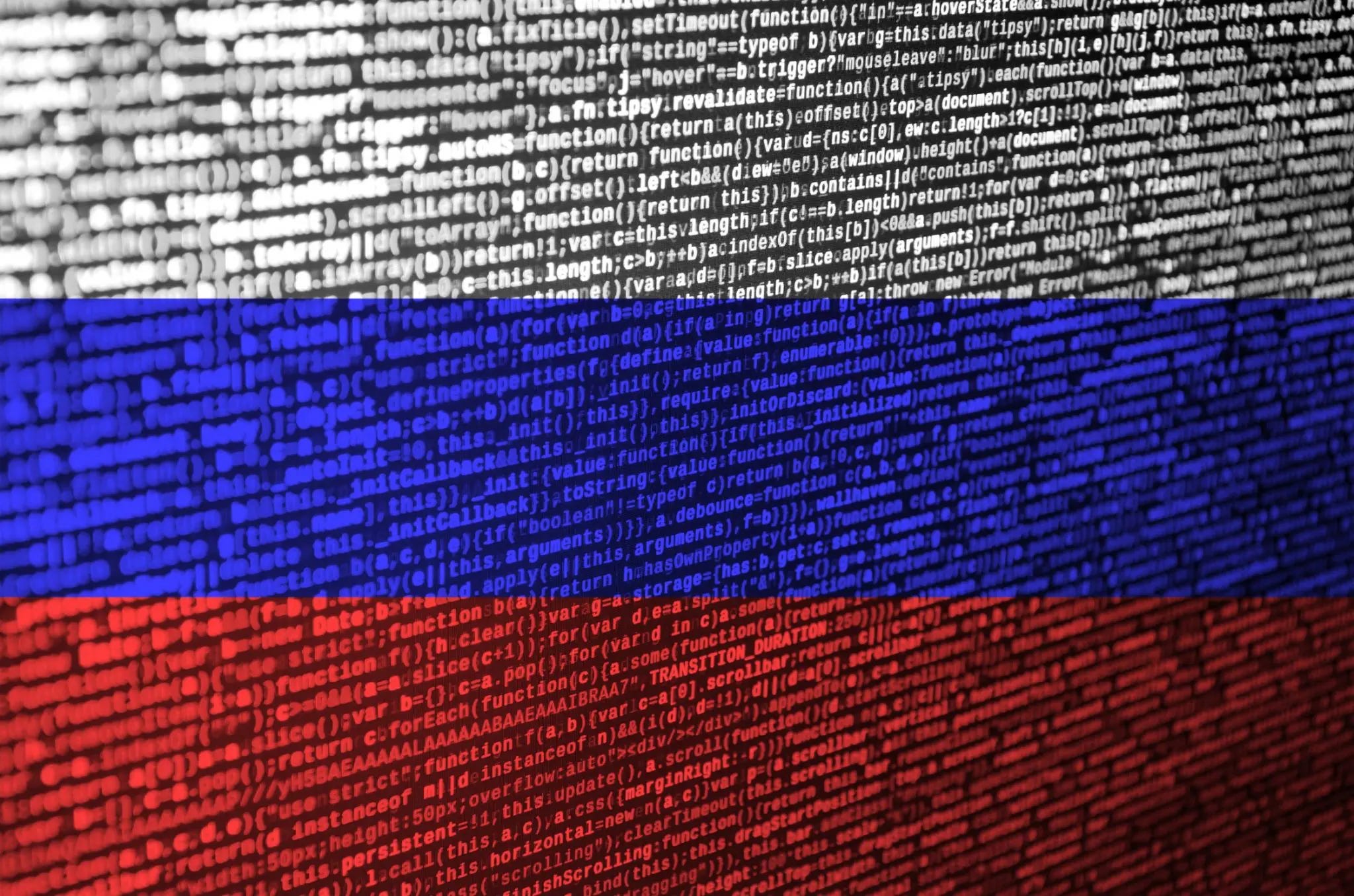
In this issue of Aden’s America, we delve into the insidious and sophisticated tactics of disinformation that Russia has employed as a weapon of war against Western democracies. This unconventional form of warfare, while less visible than traditional military operations, has proven to be remarkably effective in destabilizing societies, undermining trust in democratic institutions, and advancing Russia’s geopolitical agenda.
1. The Evolution of Information Warfare
Historically, wars were fought with soldiers and tanks on battlefields. Today, the battleground has expanded to the digital realm, where information itself has become a powerful weapon. Russia’s mastery of disinformation techniques dates back to the Cold War, but the advent of the internet and social media has significantly amplified its reach and impact.
Disinformation is not merely the spread of false information; it is a deliberate and strategic effort to confuse, deceive, and manipulate public perception. Russia’s approach involves a mix of truth, half-truths, and outright lies, skillfully woven together to create narratives that serve its interests. These narratives are designed to exploit existing societal divisions and erode the cohesion of its adversaries.
When a nation recognizes its inability to triumph in a conventional war, it often seeks to exploit its enemy's weaknesses through nonconventional means. This strategic pivot involves identifying and targeting vulnerabilities that can be leveraged to gain an advantage without direct military confrontation. In the realm of modern geopolitics, this often manifests as cyber warfare, economic pressure, and, notably, disinformation campaigns.
By sowing discord, spreading false narratives, and undermining public trust in democratic institutions, a nation can erode the societal cohesion and stability of its adversary. This approach allows the weaker power to level the playing field, achieving strategic objectives and exerting influence in ways that conventional military might alone cannot.
2. Case Studies: The Impact of Russian Disinformation
United States:
The 2016 U.S. presidential election stands as a stark example of how disinformation can influence democratic processes. Central to this effort was the Internet Research Agency (IRA), a Russian organization that conducted extensive social media operations aimed at manipulating public opinion.
The IRA created thousands of fake accounts across platforms like Facebook, Twitter, and Instagram, which they used to spread divisive content on polarizing issues such as race, immigration, and gun control. This content was carefully crafted to exploit existing societal fractures, exacerbating political polarization and fostering mistrust among citizens.
The Mueller Report detailed the scope and sophistication of these activities, highlighting how the IRA's efforts were designed to undermine confidence in the electoral system and sow discord within the American populace. By amplifying extremist voices and creating the illusion of widespread support or opposition, the IRA's disinformation campaign significantly impacted the political landscape, demonstrating the profound threat posed by such unconventional warfare tactics.
Europe:
European countries have also been significant targets of Russian disinformation campaigns, with the 2014 annexation of Crimea serving as a prominent example. To justify this illegal action, Russia launched an extensive disinformation operation that portrayed the Ukrainian government as neo-Nazi and illegitimate. Russian state-controlled media and online platforms disseminated false narratives, claiming that ethnic Russians in Crimea were under threat and needed protection. This narrative was designed to legitimize the annexation in the eyes of both the Russian public and the international community.
United Kingdom:
During the Brexit referendum in 2016, Russian operatives and state-affiliated entities spread misleading information and propaganda through social media and other channels. They amplified divisive content and supported narratives that encouraged skepticism towards the European Union, appealing to nationalist and anti-immigration sentiments. Investigations have revealed that Russian-linked accounts generated significant online traffic promoting Brexit, aiming to destabilize the EU and weaken Western alliances.
France & Germany:
In France, the 2017 presidential election saw Russian interference efforts aimed at discrediting pro-EU candidate Emmanuel Macron. Hacked emails and documents were leaked, and a flood of fake news stories attempted to damage Macron's reputation. Similar efforts were observed in Germany, where Russia-backed campaigns targeted Chancellor Angela Merkel with disinformation meant to undermine her stance on immigration and her leadership.
3. The Mechanisms of Disinformation
Russia’s disinformation operations utilize a range of tactics, including:
Social Media Manipulation: Russia employs automated bots and human trolls to amplify divisive content across social media platforms. Bots, which are automated programs, can quickly generate and disseminate large volumes of posts, creating the illusion of widespread support or opposition to particular issues. Human trolls, often operating from so-called "troll farms" like the Internet Research Agency, engage in discussions to provoke arguments, spread falsehoods, and deepen societal divisions. By hijacking trending topics and infiltrating online communities, these actors can significantly influence public opinion and sow discord.
Fake News Websites: Pro-Russian outlets often masquerade as legitimate news sources to spread misleading information. These websites produce content that appears credible on the surface but is filled with falsehoods, half-truths, and biased narratives. By presenting fabricated stories as genuine news, these sites aim to mislead readers, create confusion, and propagate Russia's preferred narratives. They often target specific audiences, tailoring their content to exploit existing prejudices and fears, thereby increasing its impact and reach.
Cyber Attacks: Russia engages in cyber operations to hack and release sensitive information, a tactic known as "hack and leak." High-profile examples include the hacking of the Democratic National Committee (DNC) and the email accounts of individuals associated with Hillary Clinton's 2016 presidential campaign. The stolen information was strategically released to embarrass and discredit the campaign, influencing public perception and electoral outcomes. These cyber attacks not only compromise the integrity of targeted institutions but also serve to undermine trust in democratic processes and governance.
Influence Campaigns: Russia supports fringe groups and narratives to destabilize mainstream discourse and weaken societal cohesion. By providing financial, logistical, or ideological backing to extremist organizations and controversial movements, Russia amplifies their voices and increases their visibility. This support often includes the dissemination of propaganda that aligns with these groups' agendas, thereby legitimizing and normalizing fringe perspectives. The goal is to fragment the political landscape, erode consensus on critical issues, and challenge the authority of established institutions.
Through these tactics, Russia effectively exploits the openness and interconnectedness of modern information environments, turning the strengths of democratic societies into vulnerabilities. By continuously adapting its methods and leveraging technological advancements, Russia maintains a disruptive presence on the global stage, highlighting the urgent need for robust countermeasures and resilience-building efforts in the face of ongoing information warfare.
4. Why Disinformation is Effective
Disinformation is particularly effective because it leverages inherent human cognitive biases and emotional responses, which can significantly impair an individual's ability to discern truth from falsehood. Cognitive biases, such as confirmation bias, lead people to favor information that confirms their preexisting beliefs and dismiss information that contradicts them. Disinformation campaigns exploit this tendency by crafting messages that align with specific audience segments' beliefs and fears, making the false information more readily accepted and shared.
Emotional manipulation is another powerful tool in the arsenal of disinformation. Messages that evoke strong emotions like fear, anger, or outrage are more likely to capture attention and be shared widely. This is because emotionally charged content tends to bypass rational analysis, prompting immediate, instinctive reactions. Disinformation that plays on societal anxieties or cultural divides can rapidly escalate tensions and polarize communities, further entrenching individuals in their respective echo chambers.
In today's era of information overload, individuals are bombarded with an unprecedented amount of content daily. The sheer volume and velocity of disinformation can overwhelm traditional fact-checking mechanisms, making it challenging for individuals to verify the accuracy of every piece of information they encounter. Fact-checkers and credible news sources often struggle to keep pace with the rapid spread of false information, resulting in a delay between the dissemination of disinformation and the issuance of corrections. This delay can allow false narratives to take root and influence public opinion before the truth can catch up.
Furthermore, the decentralized nature of the internet and social media platforms facilitates the rapid and viral spread of disinformation. Unlike traditional media, which is subject to editorial oversight and regulatory standards, the internet allows anyone to publish and share content with minimal restrictions. Disinformation can be disseminated through a multitude of channels, including social media posts, blogs, forums, and messaging apps, reaching vast audiences almost instantaneously. Algorithms designed to maximize user engagement often prioritize sensational and emotionally charged content, inadvertently amplifying the reach of disinformation.
The anonymity afforded by the internet also plays a role in the effectiveness of disinformation. Actors can create and manage multiple fake accounts to propagate false narratives without revealing their true identities, making it difficult to trace the source of disinformation and hold perpetrators accountable. This anonymity enables coordinated disinformation campaigns to operate covertly and persistently, targeting specific individuals, groups, or events to achieve their strategic objectives.
Overall, the effectiveness of disinformation lies in its ability to exploit human psychology, the dynamics of digital communication, and the structural weaknesses of information ecosystems. Addressing this threat requires a multifaceted approach, including enhancing digital literacy, improving the resilience of media institutions, and implementing robust policy measures to mitigate the spread and impact of disinformation.
5. Countering the Threat of Disinformation
Combatting disinformation is a complex challenge that necessitates a multifaceted approach, addressing the problem at various levels of society and governance. Here’s an in-depth look at the critical components of an effective strategy to counter disinformation:
Digital Literacy
Digital literacy is the foundation of any long-term solution to disinformation. Educating the public on how to critically evaluate information sources and recognize disinformation involves several key elements:
Critical Thinking Skills: Teaching individuals to approach information with skepticism and to analyze the credibility of sources. This includes understanding biases, checking for corroboration from multiple reliable sources, and discerning between opinion and fact.
Media Literacy Education: Integrating media literacy into educational curricula from an early age. Schools and universities should provide students with the tools to navigate the digital information landscape responsibly.
Public Awareness Campaigns: Governments, NGOs, and private organizations can run public awareness campaigns to educate citizens about the tactics and dangers of disinformation. These campaigns can utilize social media, public service announcements, and community outreach to reach a broad audience.
Media Integrity
Strengthening the independence and credibility of media institutions is vital for providing the public with trustworthy information:
Support for Independent Journalism: Providing financial and institutional support to independent media outlets can help ensure diverse and reliable news coverage. Grants, subsidies, and protective legislation can shield journalists from political and economic pressures.
Fact-Checking Initiatives: Encouraging the growth of professional fact-checking organizations that work to verify claims made in the media. Collaboration between news outlets and fact-checkers can help quickly debunk false information.
Transparency in Journalism: Promoting transparency in how news stories are sourced, verified, and presented. Clear editorial standards and accountability measures can build public trust in credible media institutions.
Regulation and Policy
Implementing policies to hold social media platforms accountable for the spread of disinformation involves a delicate balance between regulation and freedom of expression:
Platform Accountability: Enforcing regulations that require social media platforms to monitor and remove disinformation. This could include penalties for non-compliance and incentives for proactive measures.
Algorithm Transparency: Demanding greater transparency from platforms about how their algorithms promote content. Understanding and potentially regulating these algorithms can help mitigate the spread of sensationalist and false information.
Content Moderation Policies: Developing clear and consistent content moderation policies that address disinformation without stifling legitimate free speech. This includes the use of artificial intelligence and human moderators to identify and manage harmful content.
International Cooperation
Coordinating efforts among democracies to share intelligence and strategies for countering disinformation is crucial given the global nature of the threat:
Intelligence Sharing: Establishing mechanisms for real-time intelligence sharing among countries about disinformation campaigns. This can help quickly identify and counteract cross-border disinformation efforts.
Joint Task Forces: Creating international task forces dedicated to combating disinformation. These task forces can pool resources and expertise, fostering a united front against malign actors.
Harmonized Legal Frameworks: Working towards harmonized legal frameworks that address disinformation. International agreements can standardize definitions and penalties, making it easier to prosecute disinformation activities across borders.
Research and Development: Investing in research to develop new tools and technologies to detect and counteract disinformation. International collaboration in R&D can accelerate the creation of effective solutions.
Public-Private Partnerships
Combating disinformation also requires robust collaboration between the public and private sectors:
Tech Industry Engagement: Engaging technology companies in the fight against disinformation. This includes not only social media platforms but also search engines, internet service providers, and cybersecurity firms.
Innovation Grants: Providing grants and incentives for tech startups and researchers to develop innovative solutions to detect and mitigate disinformation.
Corporate Responsibility: Encouraging corporations to adopt ethical practices in information dissemination and to support initiatives that promote digital literacy and media integrity.
Community Engagement
Grassroots efforts and community engagement are also critical in building resilience against disinformation:
Local Initiatives: Supporting local initiatives that foster community dialogue and trust. These can include town hall meetings, workshops, and local media projects.
Citizen Reporting: Encouraging citizens to report disinformation and providing them with the tools to do so effectively. Community-driven fact-checking efforts can complement professional journalism.
Civic Education: Promoting civic education that includes understanding the role of disinformation in undermining democracy and how individuals can contribute to a more informed and engaged public.
By addressing disinformation through these comprehensive and interconnected strategies, societies can build stronger defenses against this pervasive and evolving threat, ensuring the integrity of democratic processes and the trust of the public in credible information sources.
If you are interested in learning more about information warfare, I highly recommend you read How to Lose the Information War by Nina Jankowicz.