

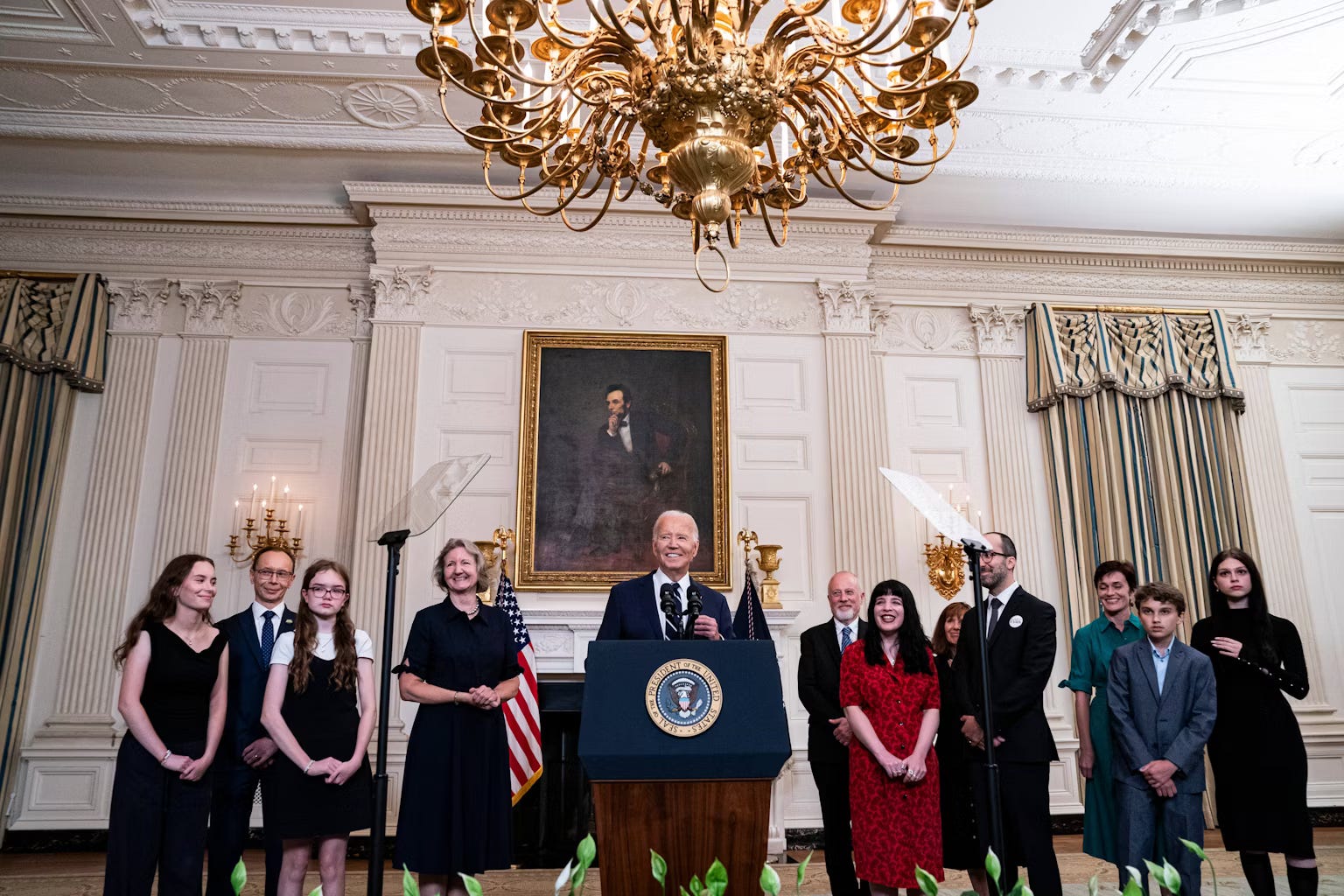
In an extraordinary turn of events, the White House announced today that the United States has successfully negotiated the release of several high-profile detainees held by Russia. This significant diplomatic achievement comes after months of intense negotiations and is a testament to the relentless efforts of the U.S. government to secure the freedom of its citizens and allies abroad.
Among those released are Evan Gershkovich, a Wall Street Journal reporter detained earlier this year on espionage charges; Paul Whelan, a former U.S. Marine who has been held since 2018; Alsu Kurmasheva, a journalist known for her courageous reporting; and Vladimir Kara-Murza, a British-Russian dissident and Pulitzer Prize-winning columnist sentenced to 25 years in prison on treason-related charges. Alongside these prominent figures, Russia has also agreed to release a number of political dissidents.
Diplomatic Efforts: The Path to Release
Securing the release of these high-profile detainees was a complex and arduous process that required the concerted efforts of the United States and its allies. Months of intense negotiations underscored the difficulty of navigating the intricate landscape of international diplomacy, particularly with a nation as geopolitically significant as Russia.
The unprecedented post-Soviet-era deal, involved seven countries and complex behind-the-scenes negotiations, to secure the release of 16 individuals from Russian custody. This diplomatic victory for President Biden highlights his commitment to bringing home imprisoned Americans and supporting Russia’s pro-democracy movement.
President Biden said:
“Today is a powerful example of why it’s vital to have friends in this world.”
This achievement underscores the critical importance of maintaining productive diplomatic relationships. The ability to engage in constructive dialogue with other nations, even amidst significant geopolitical tensions, is vital. It allows for the negotiation of complex agreements that can lead to positive outcomes.
The collaborative effort required to secure these releases highlights the necessity of a robust and effective foreign policy. It is a reminder that diplomacy, when executed with precision and persistence, can yield significant results, safeguarding the values of freedom and justice on the global stage.

Risks of Exchanging Wrongfully Detained Americans for Convicted Criminals
In expressing their opposition to this deal, top Congressional Republicans said:
“Without serious action to deter further hostage-taking by Russia, Iran, and other states hostile to the United States, the costs of hostage diplomacy will continue to rise. As we renew our call for the return of all persons wrongfully detained by the Kremlin, we recognize that trading hardened Russian criminals for innocent Americans does little to discourage Putin’s reprehensible behavior.”
This is a legitimate concern that must be weighed when the United States engages in diplomatic negotiations to have wrongfully detained Americans released. We must carefully consider the potential precedent set by agreeing to such exchanges and the broader implications for international diplomacy. If authoritarian regimes believe they can successfully leverage innocent individuals for political or strategic gains, it may lead to an increase in the wrongful detention of U.S. citizens and other foreign nationals. Moreover, these negotiations must balance the immediate humanitarian need to bring Americans home with the long-term impact on global justice, security, and the moral authority of the U.S. in upholding international norms. Each decision must be made with a thorough understanding of these complex dynamics and the potential repercussions for both the individuals involved and the international community at large.
The primary issues with prisoner swaps include:
Encouraging Hostage Diplomacy: Such exchanges may incentivize authoritarian regimes to detain more Americans or foreign nationals, hoping to use them as bargaining chips for future negotiations. This practice, known as hostage diplomacy, undermines international norms and increases the risk to travelers and expatriates.
Undermining Justice Systems: Swapping detainees for convicted criminals can undermine the integrity of the justice system. It sends a message that legal convictions can be negotiated away, potentially eroding trust in judicial processes and the rule of law both domestically and internationally.
Empowering Authoritarian Regimes: Authoritarian leaders may perceive successful exchanges as a validation of their tactics, emboldening them to continue or escalate repressive practices. This can strengthen their grip on power and further suppress political dissent and human rights within their countries.
Compromising National Security: Some of the convicted criminals sought by authoritarian regimes may pose a national security threat. Releasing them could enable them to continue harmful activities, including espionage, cyberattacks, or support for terrorism.
Diplomatic Repercussions: These exchanges can strain relations with allies and partners who may view them as concessions to bad actors. It can complicate international efforts to maintain a united front against human rights abuses and authoritarian aggression.
Moral and Ethical Dilemmas: Engaging in such exchanges raises moral and ethical questions about the value of one life over another and the implications of negotiating with regimes that routinely violate international law and human rights.
Despite these risks, the U.S. government often finds itself in a challenging position, balancing the immediate need to protect its citizens with the broader implications of its actions on the international stage. Each case requires careful consideration of the potential benefits and long-term consequences of the exchange.
The successful negotiation for the release of high-profile detainees from Russia highlights a major diplomatic victory and demonstrates the U.S. government's commitment to securing its citizens' freedom. This landmark deal, involving seven countries, emphasizes the importance of robust diplomatic relationships and strategic diplomacy.
However, this achievement comes with significant risks. Concerns about encouraging hostage diplomacy, undermining justice systems, and empowering authoritarian regimes must be carefully considered. Balancing the immediate need to bring individuals home with the broader implications for global justice and security is crucial. Moving forward, we must remain vigilant and thoughtful, ensuring our diplomatic actions uphold both humanitarian values and international norms.