


This past week, Senate Republicans voted against a motion to proceed to a vote on a bill that would have codified an individual’s right to access contraceptives. As we get closer to election day, the future of reproductive rights in the United States remain uncertain.
Historical Context: Griswold v. Connecticut
To understand the gravity of this vote, it is crucial to revisit the landmark 1965 U.S. Supreme Court case Griswold v. Connecticut. In this case, the Supreme Court (in a 7-2 decision) ruled that married couples have a constitutional right to privacy, which included the right to use contraceptives. The ruling was a significant step forward for reproductive rights, as it struck down a Connecticut law that prohibited the use of contraceptives, even for married couples.
The decision in Griswold v. Connecticut laid the groundwork for subsequent rulings that expanded reproductive rights, including the right to access contraceptives for unmarried individuals and, later, the right to abortion established in Roe v. Wade.
The Aftermath of Dobbs and the Threat to Griswold
The recent decision to overturn Roe v. Wade in Dobbs v. Jackson Women’s Health Organization has sent shockwaves through the legal and political landscape. The Dobbs ruling eliminated the federal constitutional right to an abortion, returning the power to regulate abortion to individual states. This shift has raised fears that other landmark rulings based on the right to privacy, such as Griswold, could be targeted next.
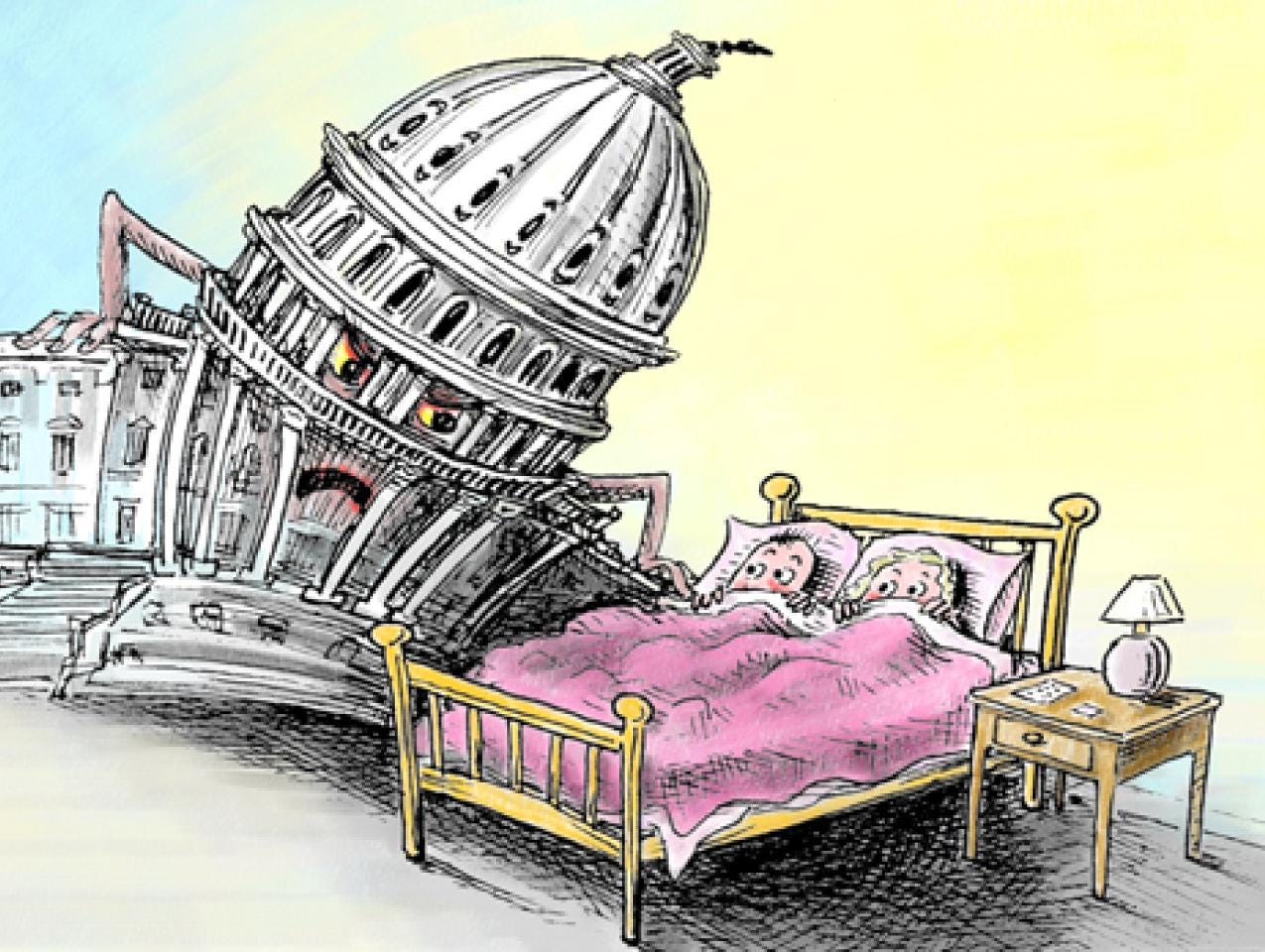
Far-right extremists have made it clear that they view the Dobbs decision as an opportunity to challenge and potentially overturn other established rights. The right to access contraceptives, protected under Griswold, is now at risk. If Griswold were overturned, it could open the door for states to impose restrictive laws on contraceptive access, similar to those struck down in 1965.
Implications and Concerns
The Senate Republicans’ vote against proceeding with the contraceptive access bill is a stark reminder of the fragility of reproductive rights in the current political climate. The refusal to codify contraceptive access into federal law leaves these rights vulnerable to legal challenges and political shifts.
Access to contraceptives is not only a matter of personal privacy but also a critical public health issue. Contraceptives allow individuals to make informed decisions about their reproductive health, prevent unintended pregnancies, and reduce the need for abortions. Limiting access to contraceptives would disproportionately affect low income families.
The right to privacy in marriage is so fundamental that allowing its infringement because privacy is not specifically addressed in the previous eight amendments is to ignore the Ninth Amendment altogether.
-Justice Goldberg
Moving Forward
As we reflect on this recent vote, it is essential to recognize the importance of continued advocacy for reproductive rights. Protecting the right to access contraceptives is fundamental to ensuring that individuals can make autonomous decisions about their bodies and their futures.
We must remain vigilant and proactive in defending these rights against ongoing threats. This includes supporting legislation that seeks to codify reproductive rights, raising awareness about the potential consequences of overturning landmark rulings, and holding our elected officials accountable for their votes on these critical issues.