

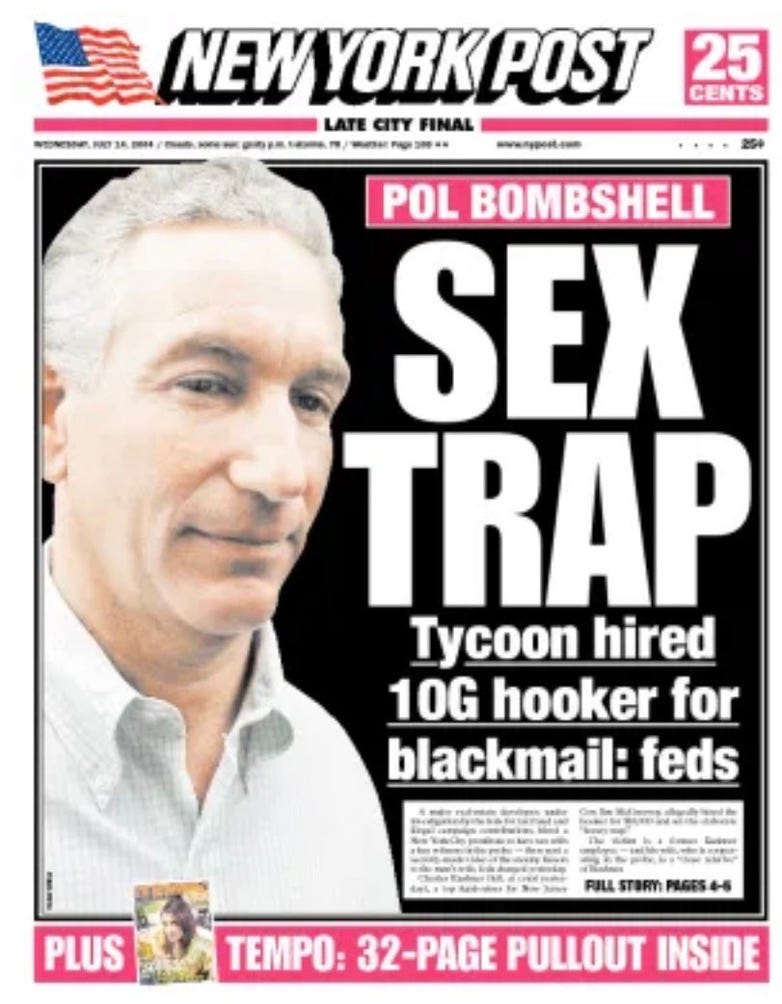
In 2004, Charles Kushner pled guilty to federal charges of filing false tax returns, retaliating against a witness, and making false statements to the Federal Election Commission. After finding out that his sister was cooperating with investigators, Kushner hired a prostitute to entrap his brother-in-law, secretly recorded the encounter, and sent the tape to his sister. The plan clearly failed, leading him to agree to a plea deal.
Former Governor of New Jersey, Chris Christie, then U.S. Attorney for New Jersey, described it as “one of the most loathsome, disgusting crimes” he ever prosecuted. However, in 2020, Kushner was granted a pardon from his son’s father-in-law, who happened to be then outgoing President of the United States, Donald Trump.
Today, President-elect Donald Trump announced that Charles Kushner will be nominated as Ambassador to France. This is another glaring reminder of the abnormality we are facing. This is not the caliber of person we want representing the U.S. to our allies. But then again, voters were willing to vote for a convicted felon to be president; did they really not know that he would fill his administration with his cronies?
The larger issue is that these choices not only impact Americans, as they have ripple effects throughout the world. Trump’s choice is not just ethically troubling—it further erodes America’s global credibility. The nomination of someone with such a sordid history to a prestigious diplomatic post sends a message to allies and adversaries alike: the United States is unserious about the integrity of its institutions and the professionalism of its representatives.
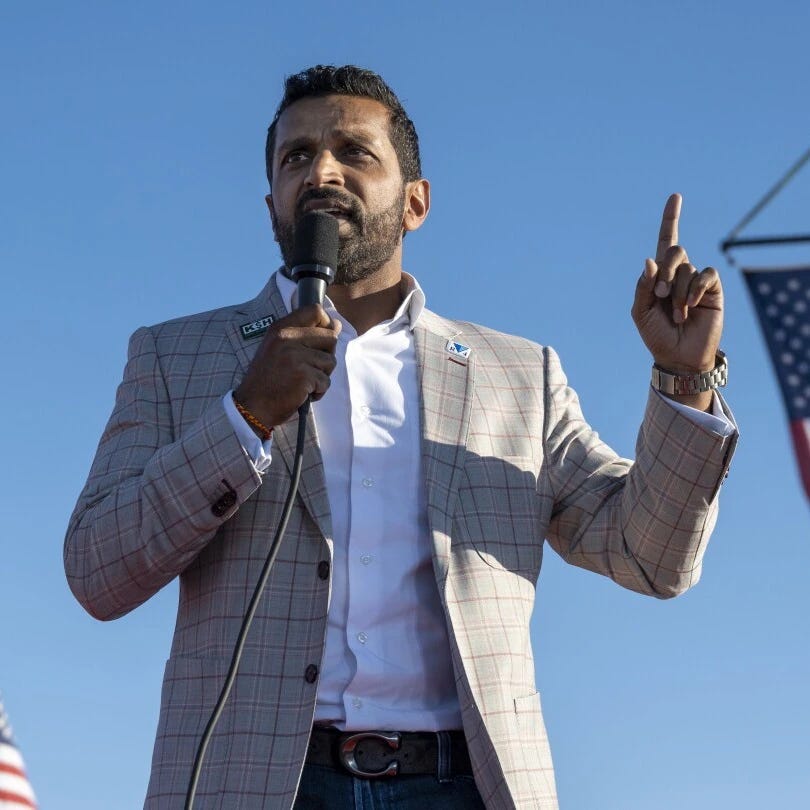
But the Kushner nomination is just the beginning. Trump has also announced his intention to fire current FBI Director Christopher Wray upon taking office, replacing him with Kash Patel, a loyalist with a dangerous agenda. Patel is a known conspiracy theorist and election denier who has pledged to purge the so-called “Deep State” and investigate Trump’s perceived enemies.
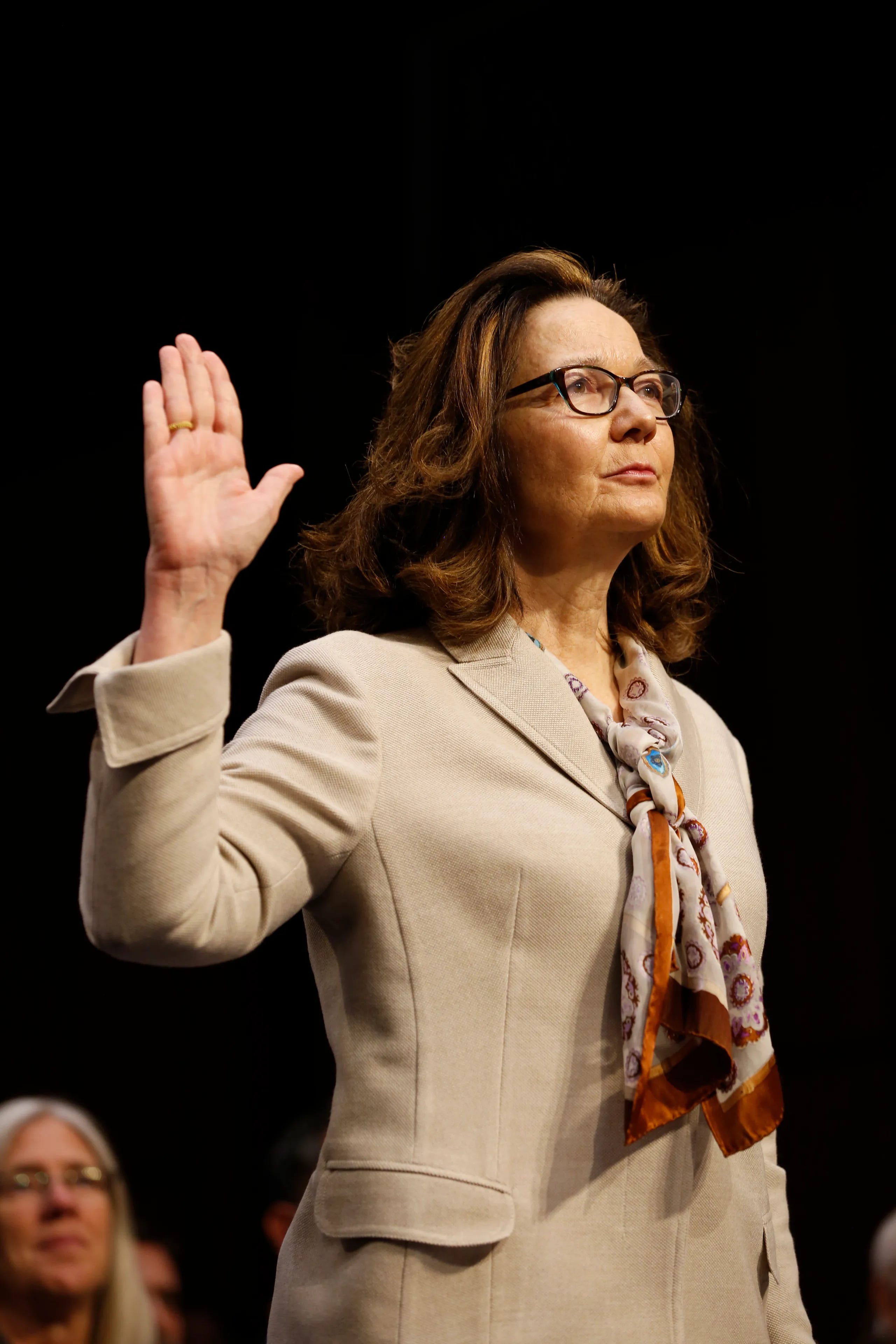
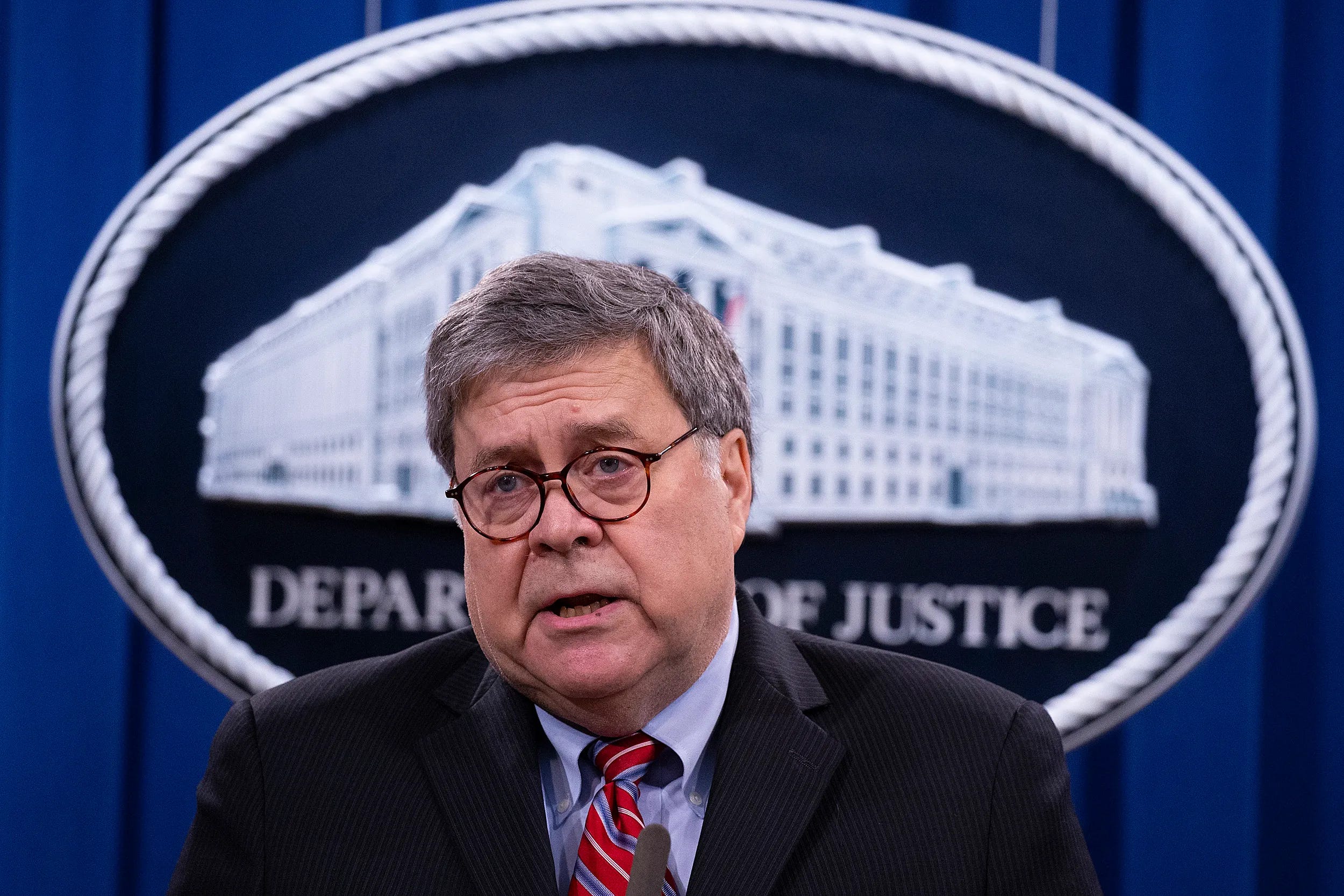
Patel’s reputation in Trump’s intelligence community was so toxic that both former CIA Director Gina Haspel and Attorney General Bill Barr strongly opposed his previous appointments. Patel’s recent rhetoric, including threats to shut down the FBI’s Hoover building, fire the roughly 7,000 employees that work there, and transform it into a “museum of the deep state,” reveals his ignorance, disdain, and disregard for the Bureau’s independence and the rule of law.
These appointments are not isolated decisions—they are part of a broader strategy to consolidate power, undermine democratic institutions, and exact retribution on Trump’s adversaries. The FBI director’s 10-year term is designed to shield the Bureau from political pressures, but Trump’s planned appointment of Patel threatens to politicize federal law enforcement at an unprecedented level.
As we face the return of Trump to the presidency, these decisions highlight the existential stakes for our democracy and the urgent need for vigilance. His nominations make it abundantly clear that loyalty to him, not competence or integrity, will drive his administration's agenda. This approach threatens to dismantle the very institutions designed to safeguard our freedoms, leaving them vulnerable to corruption and authoritarianism.
To counter this dangerous trajectory, we must focus on three key priorities:
Demand Accountability from Congress: The Senate must thoroughly vet Trump’s nominees, especially those with records that undermine the rule of law. Voters should pressure their representatives to prioritize institutional integrity over partisan loyalty. Bipartisan opposition to unsuitable candidates can block or delay appointments that would erode public trust.
Support Independent Oversight: Institutions like the Justice Department and the courts must remain independent arbiters of justice. Civil society organizations and the press must relentlessly scrutinize Trump’s actions and hold his administration accountable for attempts to politicize government agencies. Your contributions to ACLU, Human Rights Watch, NAACP, or other civil society organizations that protect individuals and groups of individuals from governmental abuses of power.
Mobilize Public Engagement: The strength of our democracy lies in active, informed citizens. We must educate ourselves and others on the implications of these appointments and take collective action through voting, doing our part to share facts with low-information voters, and grassroots organizing to demand better leadership. Be more vocal about your beliefs and the issues that are important to you. Don’t allow yourself to be intimidated into silence.
The dangers posed by these decisions cannot be overstated. Trump’s nominations reflect a presidency intent on prioritizing personal loyalty and vendettas over ethical governance and democratic norms. These choices challenge the resilience of America’s institutions, reminding us that their preservation requires active public commitment and vigilance.
However, these threats also present an opportunity—a rallying call for those who believe in justice, accountability, and the rule of law. Defending our institutions is not just about opposing a single administration; it is about upholding the principles that define us as a nation. Together, through collective resolve and action, we can rise to this challenge and build a brighter, stronger, and more democratic future.
In solidarity,
Aden
"Change will not come if we wait for some other person, or if we wait for some other time. We are the ones we've been waiting for. We are the change that we seek."
– Barack Obama