


Today, President Joe Biden issued an executive order aimed at limiting the number of illegal border crossers who can claim asylum when the daily average number of illegal crossings exceeds 2,500. This move has already sparked significant controversy and is expected to face legal challenges from the American Civil Liberties Union (ACLU). While the executive order may be enjoined by the courts until the Supreme Court eventually decides its fate, it highlights a broader issue: the need for comprehensive legislative action to address the situation at our southern border.
The Limitations of Executive Orders
Executive orders, while powerful, have limited scope and can be easily challenged or reversed by subsequent administrations or court rulings. The current action by President Biden underscores this reality. Although intended to manage the influx of asylum seekers, the executive order does not address the structural issues at the border. Only Congress has the authority to enact laws and appropriate the necessary funds to effectively manage border security.
The Need for Legislative Solutions
To create a lasting and effective solution, we must look to comprehensive legislation. The Border Act of 2024, which was negotiated by a bipartisan group of senators and the White House, represents a significant step in the right direction. Unfortunately, this bill was derailed by partisan politics, with former President Donald Trump instructing Republicans to vote against it, claiming that maintaining the border crisis benefits his electoral strategy. This is a disservice to the American people and the integrity of our immigration system.

Key Provisions of the Border Act of 2024
The Border Act of 2024 aimed to implement several critical reforms, including:
1. Stricter Asylum Rules: The proposal would make it harder for migrants to apply for and qualify for asylum, encouraging quicker resolutions to asylum cases at the border.
2. New Removal Authority: It creates a new removal authority to speedily remove migrants who don’t qualify for asylum.
3. Border Emergency Provision: The bill includes a trigger mechanism that would allow the border to be effectively shut down to migrants if crossings have been particularly high for several days in a row. This provision would automatically kick in when crossings reached 5,000 per day for several days, with around 1,400 migrants still able to qualify for asylum at ports of entry.
4. Scaling Back Parole: It scales back the Biden administration’s use of parole at land ports of entry.
5. Increased Staffing and Capacity: The legislation provides for the hiring of thousands of new Border Patrol and asylum officers and increases detention capacity.
The bill also incorporates some Democratic priorities:
1. Increased Visas: Adding thousands more family-based and employment-based visas.
2. Work Authorizations: Allowing work authorization for spouses of U.S. citizens awaiting immigrant visas and for those who qualify for asylum.
3. Access to Counsel: Guaranteeing access to counsel for child migrants in removal proceedings.
The Impact on New York City
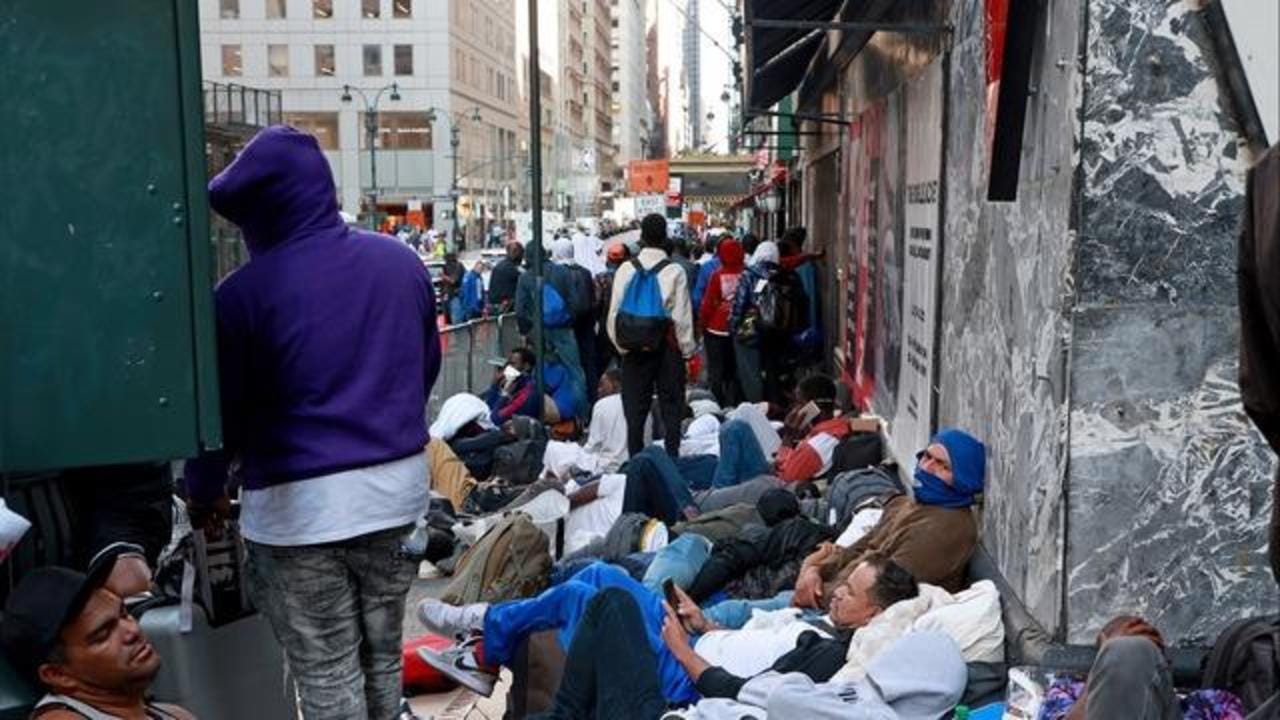
The migrant crisis has had a significant impact on various parts of the country, with New York City experiencing considerable strain on its resources. The influx of migrants has led to:
1. Shelter Overcrowding: New York City’s shelters have become overcrowded, struggling to accommodate the growing number of asylum seekers. This has put immense pressure on the city’s ability to provide adequate housing and support services.
2. Strained Social Services: The city’s social services, including healthcare and education, have been stretched thin as they attempt to meet the needs of the new arrivals. This has led to longer wait times and reduced availability of services for both migrants and local residents.
3. Financial Burden: The cost of providing for the needs of the migrants has placed a significant financial burden on the city’s budget. This has necessitated reallocations of funds and increased spending, which may affect other essential services and infrastructure projects.
The challenges faced by New York City illustrate the broader national issue and the urgent need for comprehensive immigration reform. Effective and sustainable solutions require federal intervention and legislation, such as the Border Act of 2024, to address the root causes of the crisis and provide support to affected communities.
Why We Need the Border Act of 2024
The Border Act of 2024 would have made substantial strides in addressing the root causes of the border crisis by:
• Increasing Capacity and Efficiency: By hiring more personnel and modernizing systems, the bill aimed to process asylum claims more efficiently, reducing backlogs and ensuring timely determinations.
• Improving Conditions and Accountability: Enhancing training for border agents and establishing alternatives to detention would improve conditions for asylum seekers and ensure humane treatment.
• Providing Legal Pathways: Expanding legal immigration opportunities and supporting Afghan allies would promote orderly and lawful migration.
• Ensuring Comprehensive Border Security: Granting emergency authority to the Secretary of Homeland Security would allow for rapid response to surges in border crossings, ensuring national security.
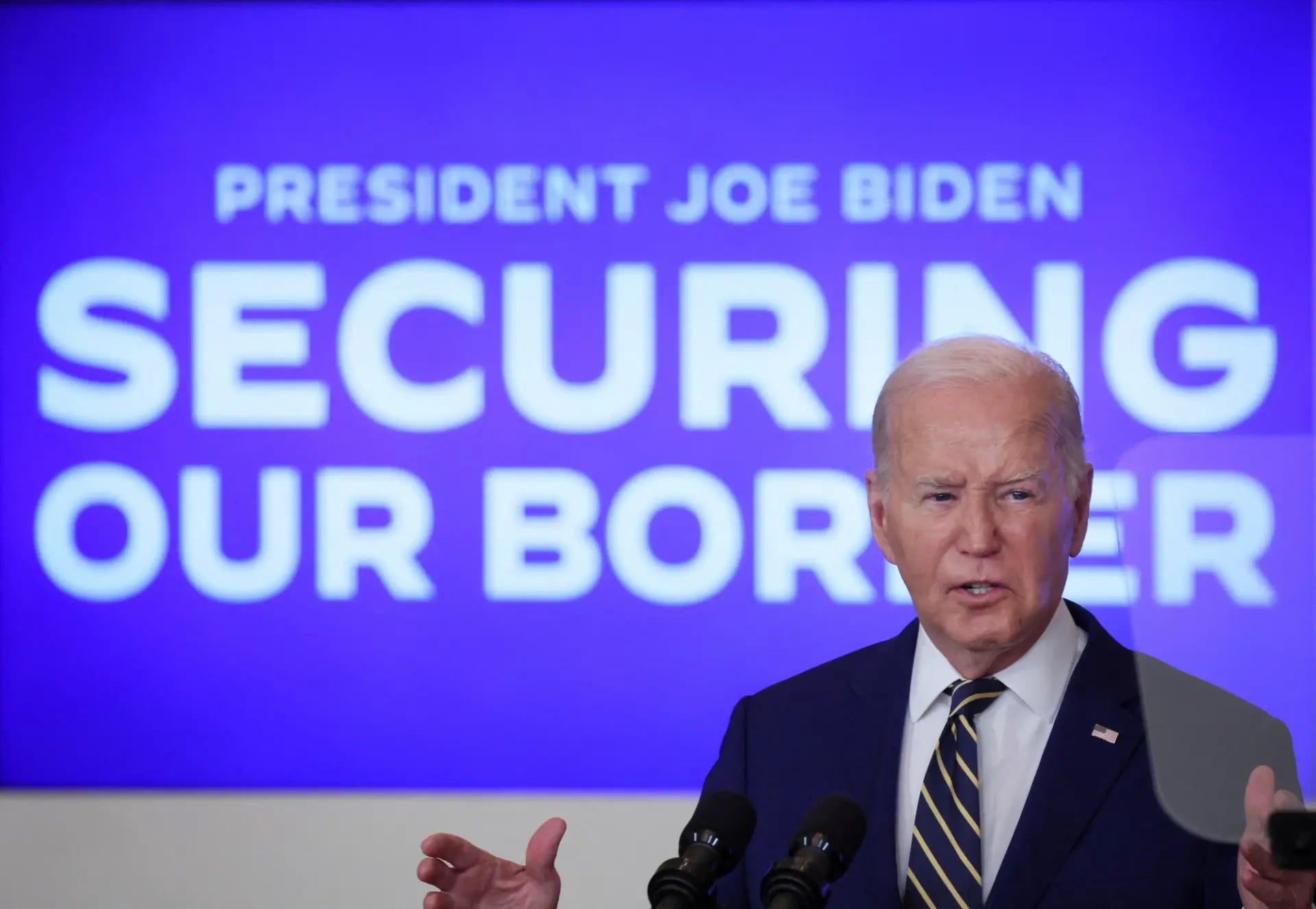
President Biden’s executive order, while a step toward managing the border crisis, is not a substitute for comprehensive legislative reform. The Border Act of 2024 represents a balanced and effective approach to addressing the complex issues at our southern border. However, it is crucial to recognize that this act alone is not enough. True immigration reform requires a holistic approach that includes comprehensive policies addressing all aspects of immigration.
Congress must act not only to pass the Border Act of 2024 but also to develop and implement a broader immigration policy that ensures a fair, efficient, and humane system. The continued politicization of this issue only serves to undermine our national interests and the well-being of those seeking refuge in our country. We need a comprehensive immigration reform that addresses the root causes of migration, provides legal pathways for migrants, and secures our borders effectively.