

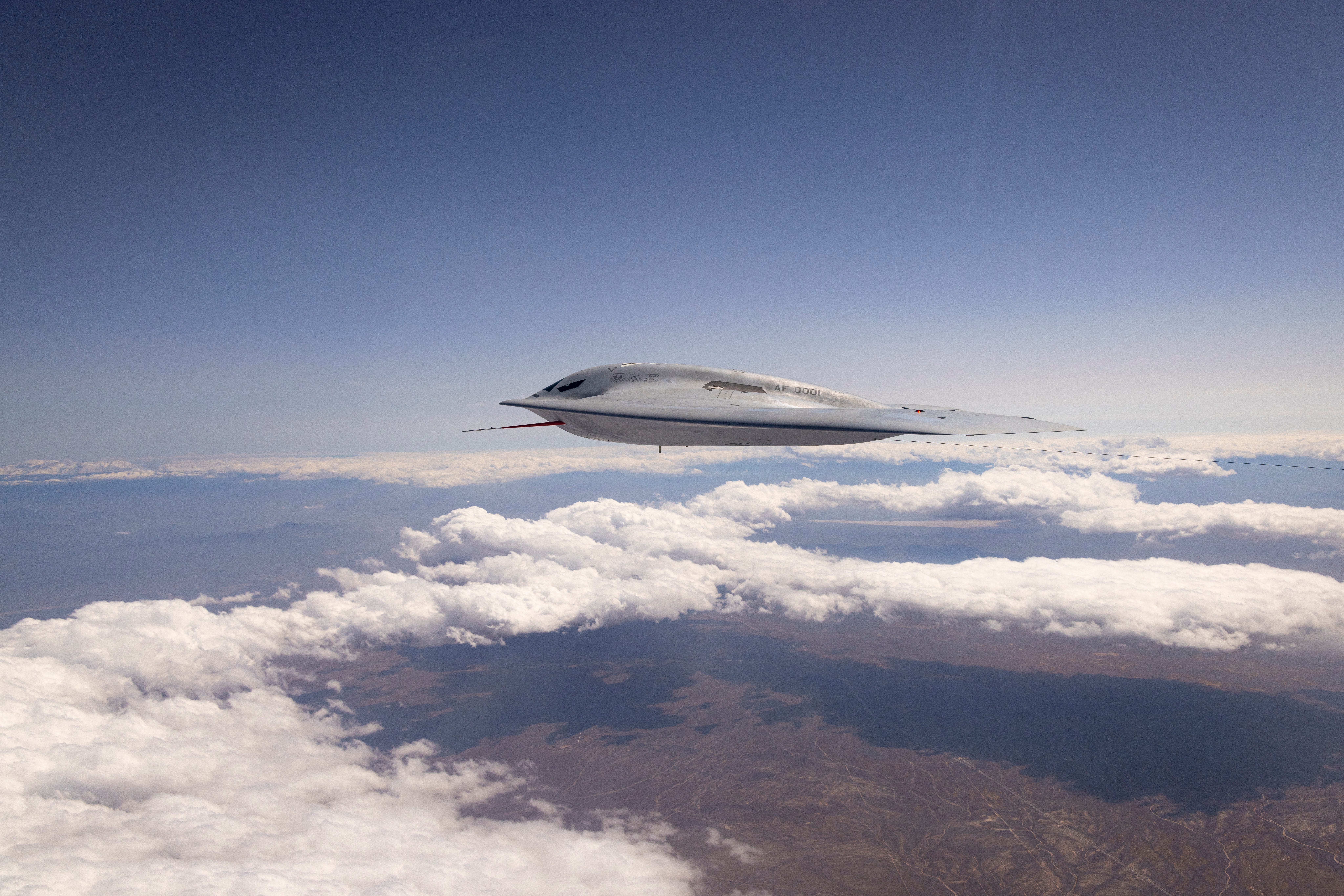
The U.S. Air Force has released new images of the B-21 Raider conducting test flights, as it prepares to enter service. The B-21 was developed by Northrop Grumman and is the world's first sixth-generation aircraft—capable of penetrating the most highly-contested threat environments with ease.
Revolutionizing Stealth and Range
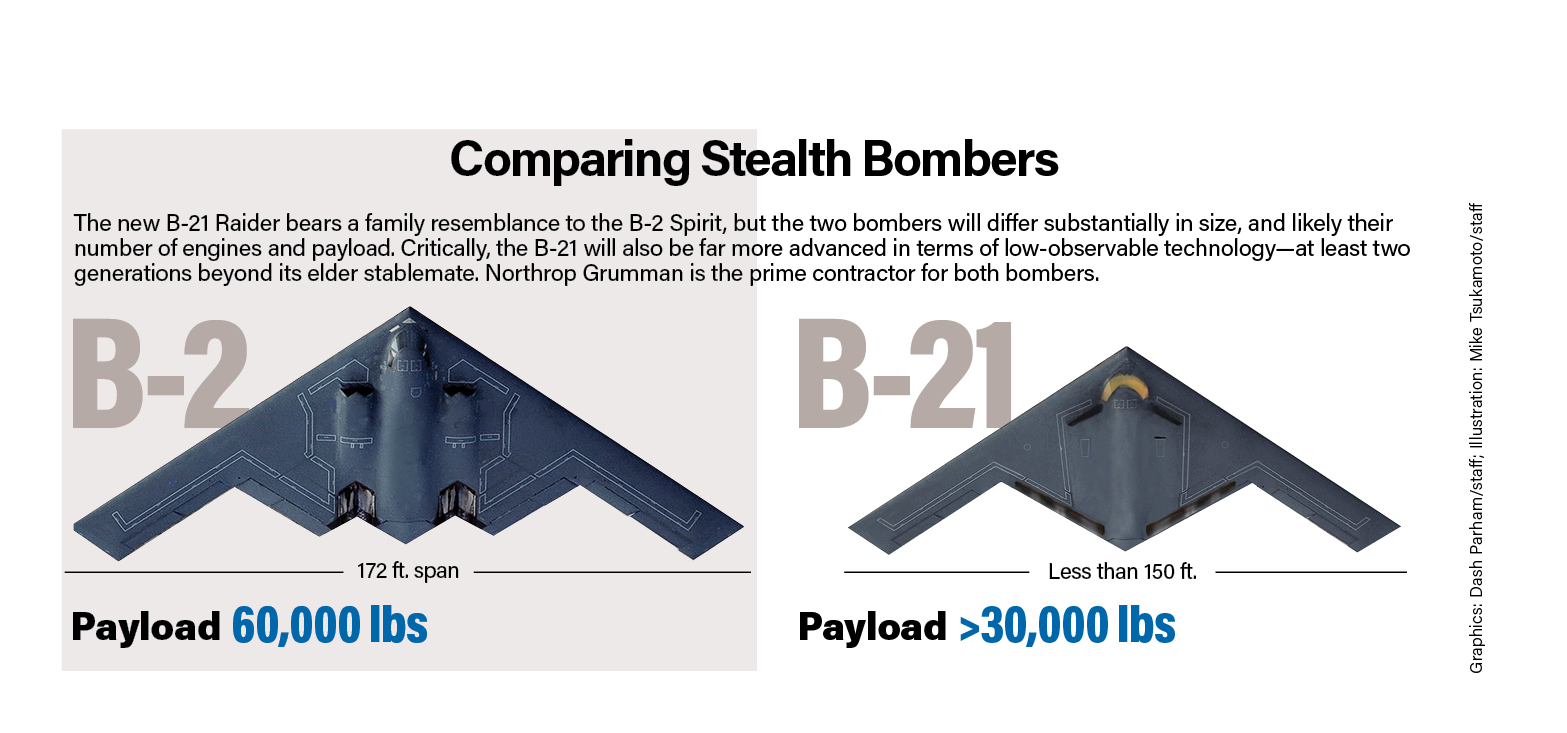
In designing the new bomber, it was essential that it possessed the capability to travel long distances without requiring refueling; carry large payloads; and remain unidentifible by enemy radar. These characteristics are essential to the long-term success of the program, especially given that the B-21 is expected to replace the aging fleet of B-2 Spirits.
Maintaining a Strategic Deterrent
For decades, the B-2 has served as an unmatched deterrent against aggression toward the United States and our allies, as it can target high-value and heavily defended assets—anywhere in the world. The B-2 projects an overwhelming capability that even our most militarily-advanced adversaries can’t come close to matching.
Deterrence is achieved when an adversary is convinced that the costs associated with taking an action outweigh any potential benefits.
Modernizing the Bomber Fleet
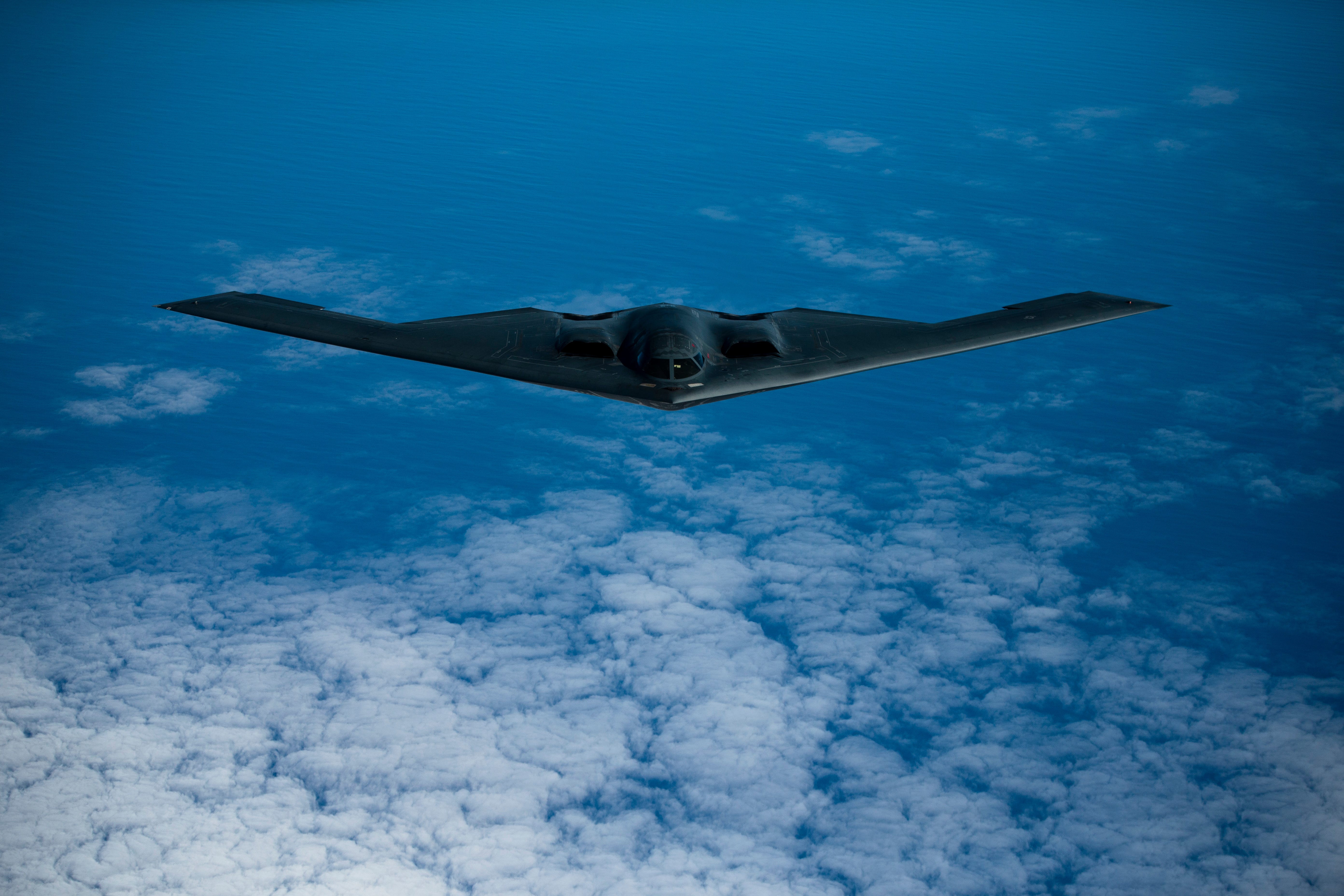
The Air Force has stated it will incrementally replace the B-1 and B-2 bombers with the new B-21 officially entering service in coming years.
A production goal of at least 100 aircraft has been set. It is important that Congress fully fund this effort, as the cost per B-21 will decrease with scale.
Ensuring Future Readiness
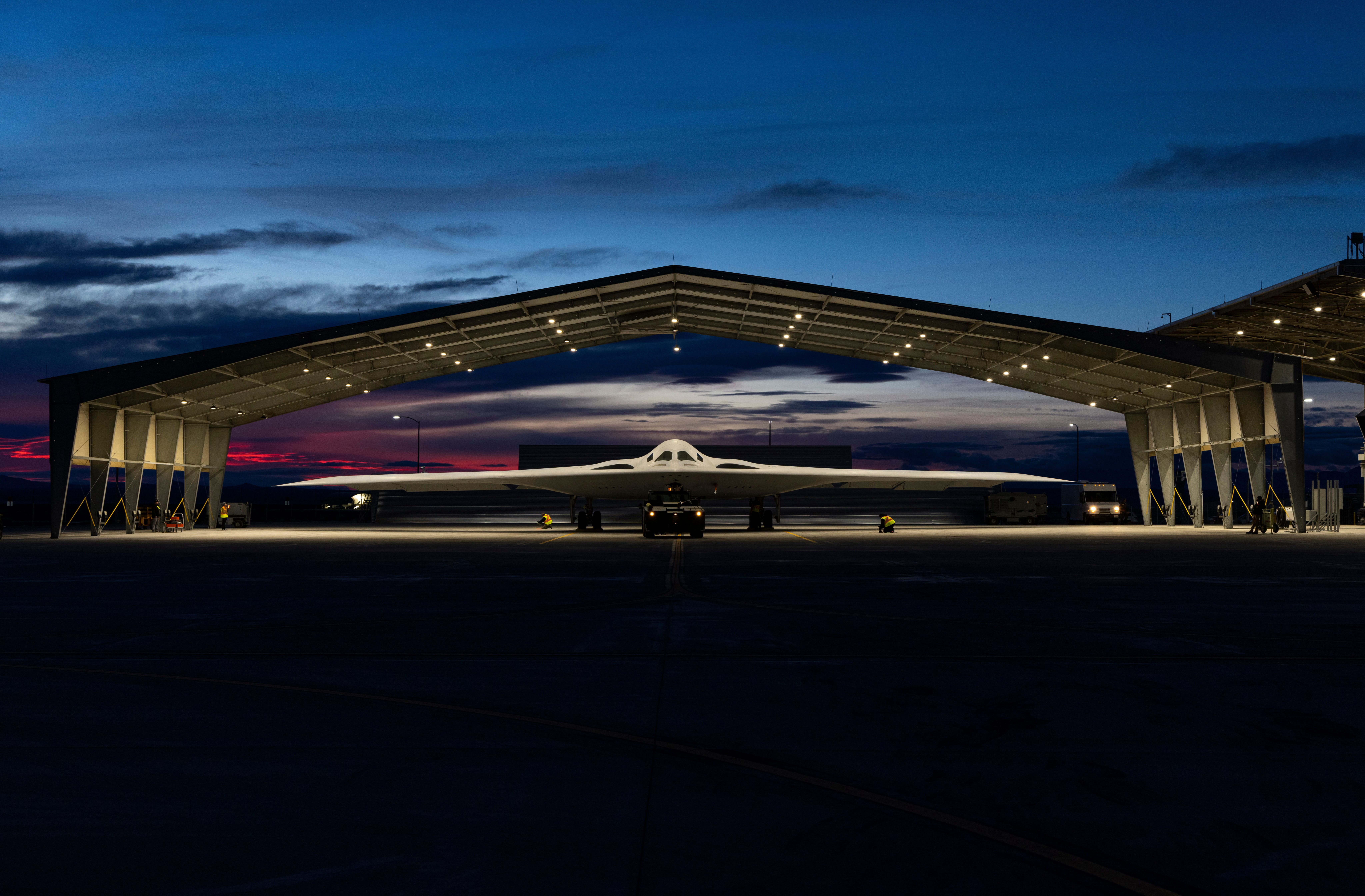
The B-21 Raider represents a significant leap forward in military aviation technology. Its introduction into the U.S. Air Force will not only modernize the strategic bomber fleet but also ensure that the U.S. maintains its technological edge over potential adversaries. As the B-21 enters service, it will play a vital role in safeguarding national security and maintaining global stability.