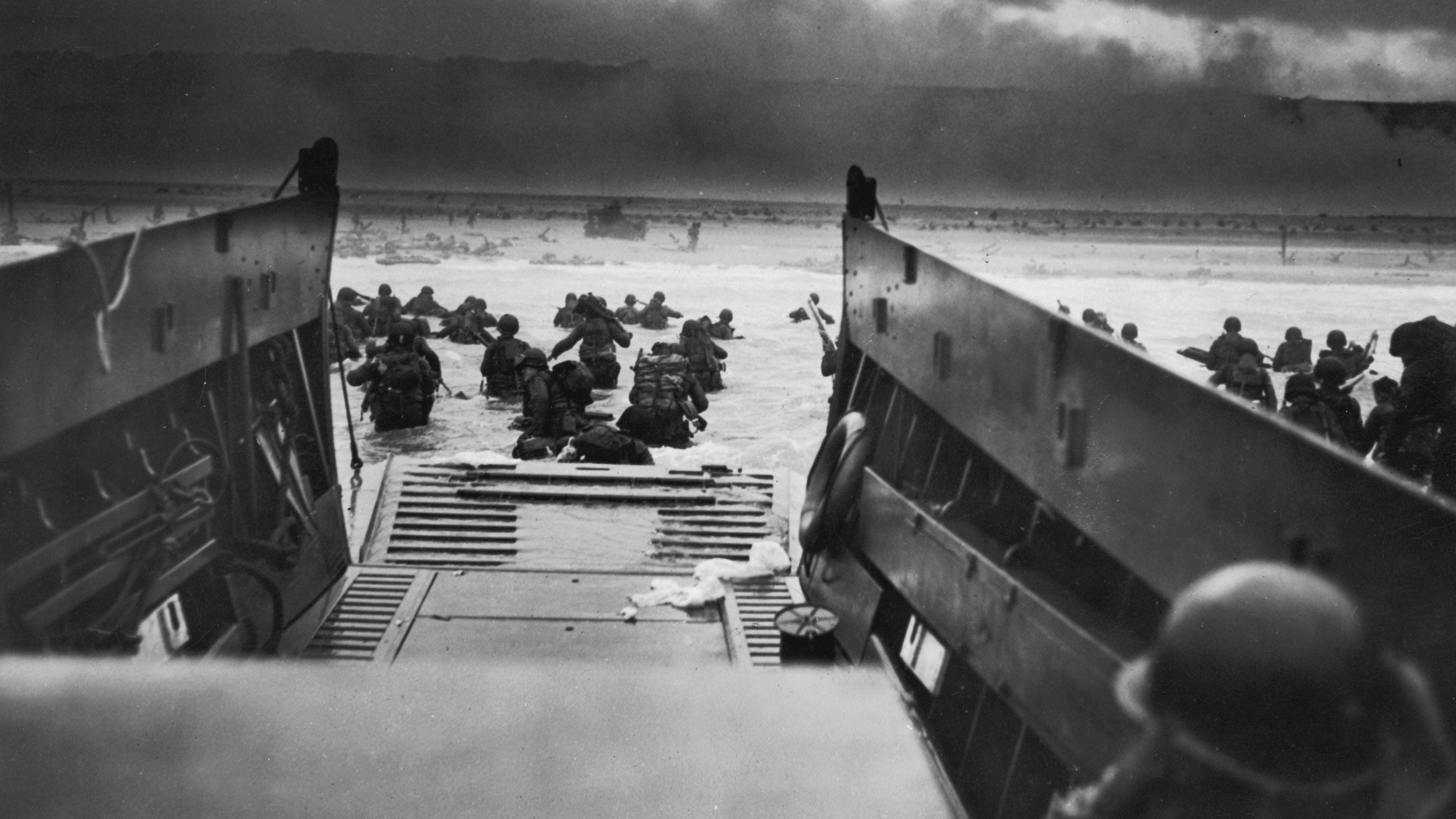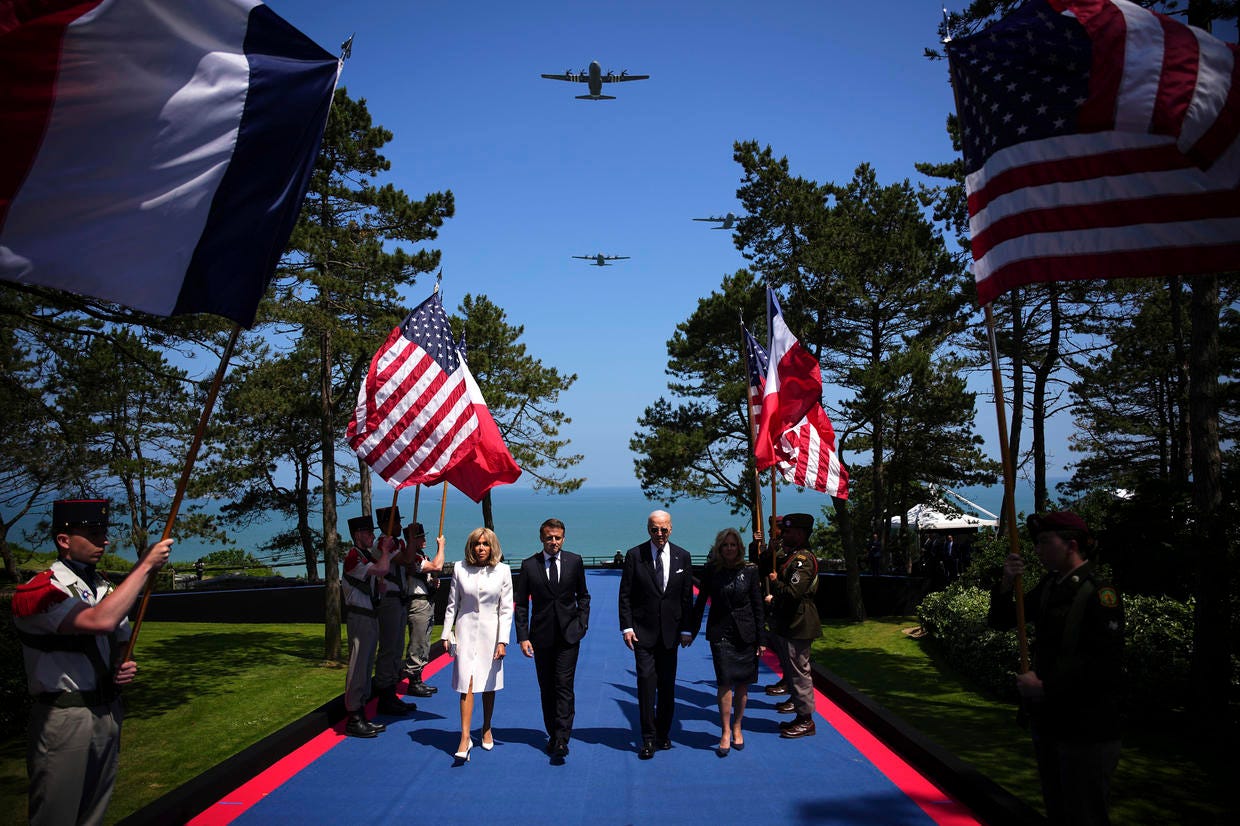
Today, we commemorate the 80th anniversary of the D-Day invasion, a pivotal moment in world history that marked the beginning of the end for the tyranny of Nazi Germany. On June 6, 1944, Allied forces launched Operation Overlord, the largest amphibious assault in history, on the beaches of Normandy, France. This daring and monumental effort brought together soldiers, sailors, and airmen from the United States, the United Kingdom, Canada, and other allied nations, united by a common cause: the liberation of Europe from oppression and the restoration of peace and freedom.
As we reflect on the bravery and sacrifice of those who fought and died on that day, we must also consider the enduring lessons of D-Day. One of the most profound of these lessons is the importance of strong alliances and international cooperation. The success of the D-Day invasion was not the work of one nation alone, but the result of meticulous planning, shared resources, and unified resolve among allied nations. This unity was instrumental in defeating a common enemy and restoring a sense of stability to the world.
Today, the world faces a different set of challenges—rising geopolitical tensions, economic instability, climate change, and the threat of terrorism. However, the fundamental principle remains the same: we are stronger together. The alliances we maintain with our friends around the world are crucial in addressing these global issues. Just as in 1944, when the fate of the free world hung in the balance, our ability to navigate these challenges depends on our willingness to work together, share our resources, and support each other.
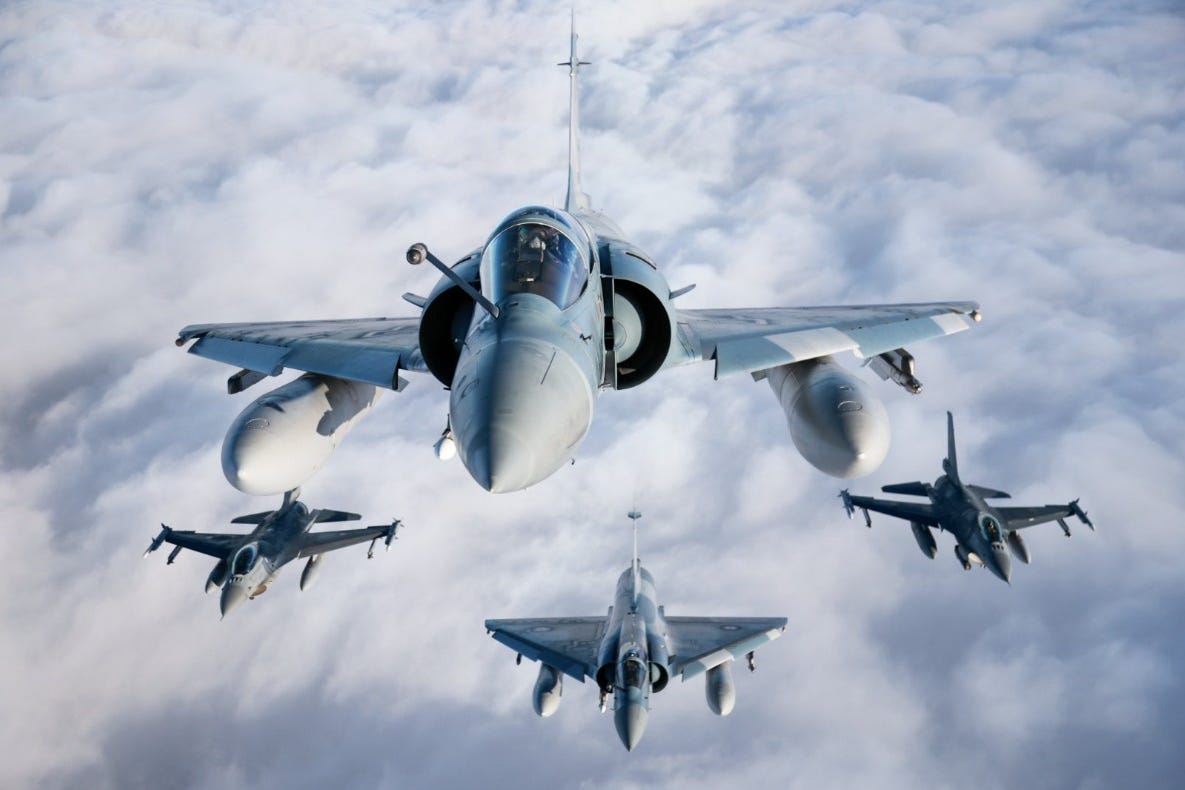
An integral part of maintaining these alliances is the importance of American leadership in the world. The United States has long been a beacon of democracy and champion of freedom. Our leadership has been essential in forging international agreements, leading humanitarian efforts, and standing firm against tyranny and oppression. By demonstrating a commitment to democratic values, human rights, and the rule of law, the U.S. inspires and galvanizes our allies to act in concert with us. This leadership is not about dominance, but about guiding a collective effort to build a safer, more just, and prosperous world for all.
NATO, the European Union, and other international organizations play a vital role in maintaining global peace and security. Our alliances with countries in Asia, Africa, and Latin America are equally important in fostering economic development, promoting human rights, and combating global threats. By investing in these relationships and standing by our allies, we not only honor the legacy of those who fought on D-Day but also ensure a safer, more prosperous future for all.
It is also worth noting that alliances require maintenance and commitment. Just as the Allied forces had to overcome differences and work through challenges to achieve their goals, we too must remain dedicated to our partnerships, even when it is difficult. This means engaging in diplomacy, honoring our commitments, and being willing to act in the interest of the greater good.
On this anniversary, let us remember the courage and determination of the D-Day veterans. Let us also reaffirm our commitment to the alliances and partnerships that have been the cornerstone of global peace and stability for the past eight decades. In doing so, we honor the past, address the present, and secure the future.